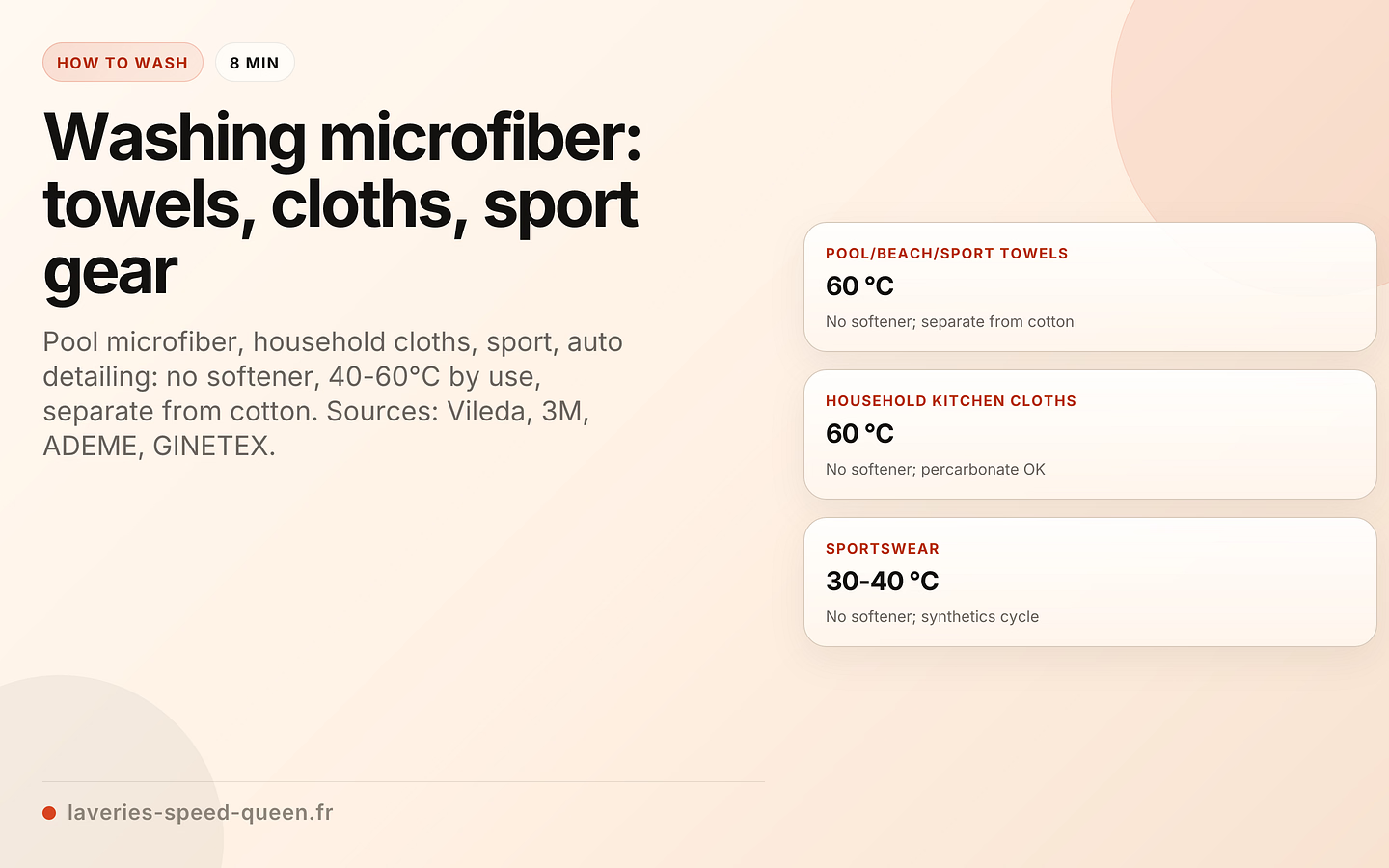
In short: microfiber doesn’t wash like cotton. No fabric softener↗ (it clogs the capillaries and kills absorbency — Vileda and 3M rule). 40-60°C maximum per the GINETEX label. Separate from cotton and wool (velcro effect = lint). Low-temperature drying or air dry. To reduce microplastics, ADEME recommends a wash bag (Guppyfriend↗) + low temperature. 18 kg laundromat washer for large loads (clubs, pro detailing).
At a glance
No fabric softener — clogs the ultra-fine capillaries (Vileda, 3M).
40-60°C max depending on use and ISO 3758 label — melting risk beyond that.
Separate from cotton and wool — microfiber attracts lint.
Low-temperature drying or air dry per the care label.
Microplastics: Guppyfriend wash bag + low temperature (ADEME).
Lifespan: several hundred cycles; replace when absorbency drops.
Why microfiber needs special care
Microfiber is a synthetic textile (typically polyester + polyamide) with ultra-fine fibers. This fineness creates a capillary structure that:
- Traps particles by electrostatic effect (dust, lint, fine particles)
- Absorbs water inside the capillaries (up to several times its weight for quality microfiber)
- Dries faster than cotton thanks to the high surface area
The problem: anything that clogs the capillaries destroys these properties. That’s why care rules are strict and different from cotton.
Table by use
| Use | Max temperature | Bans / precautions |
|---|---|---|
| Pool, beach, sport towels | 60°C (check label) | No softener; separate from cotton |
| Kitchen / household cloths | 60°C | No softener; percarbonate OK |
| Microfiber sportswear | 30-40°C | No softener; synthetics cycle |
| Auto detailing cloths | 40-60°C | Strict separation: grease vs polish |
| Microfiber mop heads | 60°C | Wash separately (chemical residue) |
Microfiber towels (pool, beach, sport)
The most common use:
- Pre-rinse in cold water if heavily loaded (pool chlorine, sea salt)
- Cotton program at 40-60°C depending on the label
- Regular detergent, normal dose
- NO fabric softener↗ — pour a dose of white vinegar↗ into the softener compartment instead, to neutralize limescale
- Separate from any cotton terry towel (lint)
- Low-temperature dryer or air dry on a line
Microfiber household cloths
- Wash at 60°C (cotton program) with regular detergent
- 2 tablespoons of percarbonate in the drum if cloths are greasy or stained (active oxygen from 40°C, without the clogging effect of softener)
- Separate kitchen cloths from bathroom/sanitary cloths to avoid cross-use
- Air dry or low-temperature dryer
Microfiber sportswear
Running shirts, leggings, technical garments:
- Synthetics program at 30-40°C (high temperatures degrade the fibers)
- Light detergent dose (body odors are handled by frequency, not by dose)
- NO fabric softener↗, ever
- Air dry or low-temperature dryer (high heat = deformation of technical membranes)
See our guide on sportswear care.
Auto detailing cloths
The most demanding use:
- Absolute separation between polishing cloths (paint, clear coat) and greasy cloths (wheels, engine)
- Wash at 40-60°C in a dedicated machine if possible, otherwise an isolated cycle
- NO fabric softener↗, ever
- Basic, fragrance-free detergent↗ (fragrances leave visible residue on paint)
- Air dry, no tumble drying for premium polishing cloths
Microplastics: the ecological side
ADEME warns about microplastics released when washing synthetic textiles — microfiber is one of them. The practical solutions:
- Microplastic wash bag like Guppyfriend↗ that retains fibers during the cycle
- Low-temperature washing (40°C instead of 60°C) — less friction, less release
- Don’t overload the machine — less friction between garments
- Air dry whenever the use case allows
To go further: microplastics when washing synthetics.
When to use the laundromat
The laundromat becomes relevant for professional or club volumes:
- Swim club: pool towels after a session
- Diving / surf school: wetsuits and microfiber towels in bulk
- Pro auto detailing service: 30+ cloths per polishing session
- Hair salon: microfiber towels for client use
The 18 kg machine handles a large uniform load in a single cycle, detergent included. For 3-5 kitchen cloths or a personal towel, stick with your home machine.
Mistakes to avoid
Using fabric softener
The #1 killer of microfiber. Clogs the capillaries and destroys absorbency in just a few washes.
Mixing with cotton/wool
Velcro effect: microfiber attracts lint. Always run a separate cycle.
Washing at 90°C
Risk of melting / deformation of synthetic fibers. Respect the GINETEX ISO 3758 symbol.
High-heat tumble drying
Same issue: deformation, loss of elasticity, shorter lifespan. Low heat or air dry.
Ignoring microplastics
No miracle solution, but Guppyfriend + low temperature reduce the impact (ADEME).
As an Amazon Associate, we earn from qualifying purchases through the affiliate links in this article — at no extra cost to you.
If the care label permits machine washing, bring this item to our two open laundromats: Blagnac Andromède and Toulouse Croix-Daurade. Both sites have 9 kg (20 lb) and 18 kg (40 lb) washers; the 11 kg (24 lb) washer is available only at Croix-Daurade. Detergent and softener are included. Check the care label before choosing a compatible programme on site. See our prices.
Also read: fluffy towels, microplastics when washing synthetics, sportswear care, washing at 30 or 40 degrees.