In short: wipe your yoga mat after every session with a DIY spray (diluted white vinegar↗ + water + tea tree oil) and a microfibre cloth. A monthly deep clean by hand with mild soap is enough for regular practice; weekly for hot yoga. The material (PVC, TPE, natural rubber, cork, jute) dictates the protocol — always check the label before using essential oils or a machine.
At a glance
Post-session routine -- DIY spray (diluted vinegar + warm water + tea tree) + microfibre, air dry.
Monthly deep clean -- warm water + mild soap (liquid Marseille), thorough rinse, 24-48 h air drying.
Hot yoga -- immediate post-session spray + weekly hand wash.
Machine wash -- exception for explicitly machine washable mats only. Never PVC or TPE.
Drying -- air dry, flat or on a rack. Never tumble dry, never prolonged direct sun.
Material → protocol
Each material has its own physics and chemistry. Here are the matching protocols.
| Material | Daily clean | Deep clean | Machine? |
|---|---|---|---|
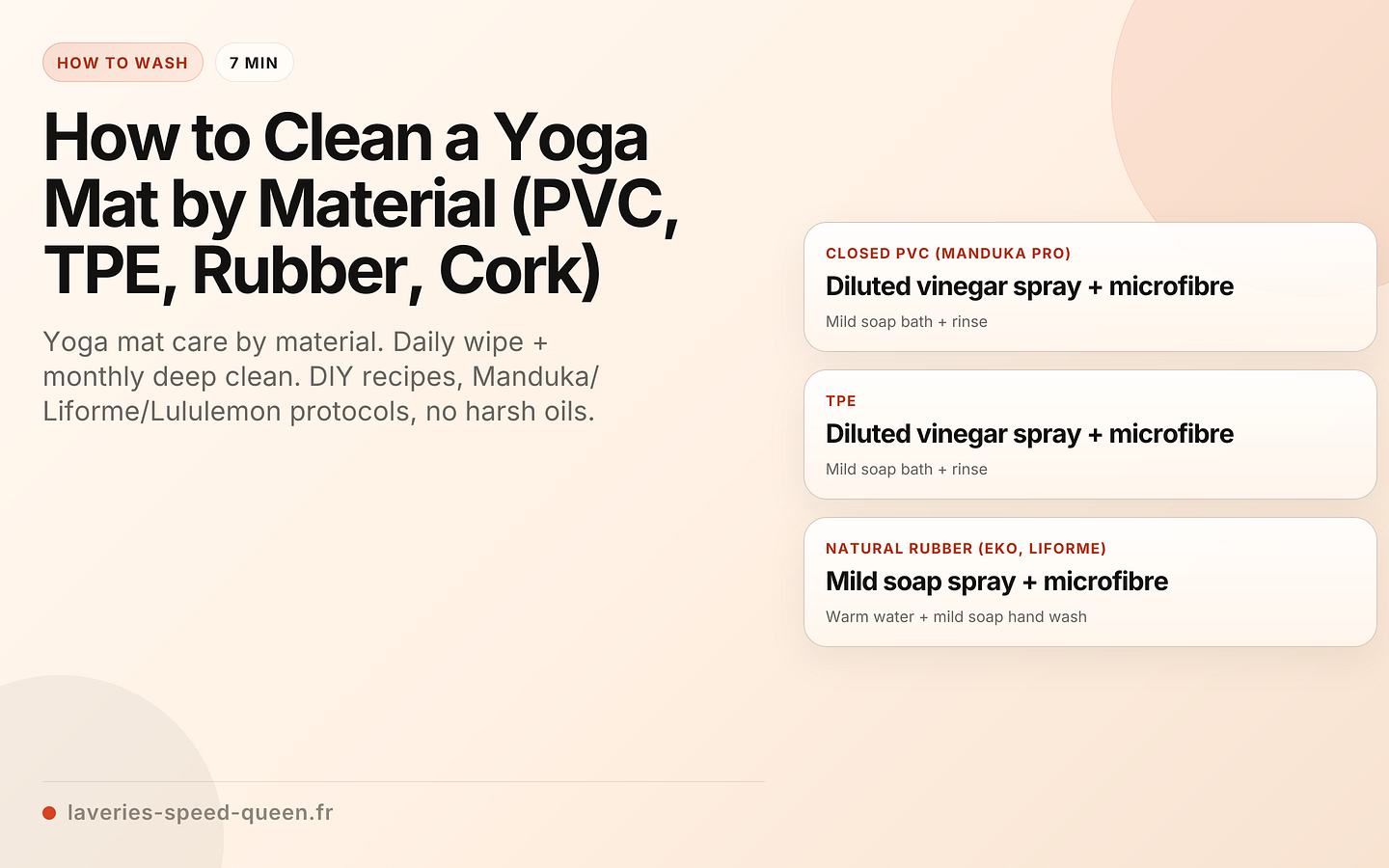
| Closed PVC (Manduka PRO, JadeYoga) | Diluted vinegar spray + microfibre | Mild soap bath + rinse, 24 h drying | ❌ No |
| TPE (thermoplastic elastomer) | Diluted vinegar spray + microfibre | Mild soap bath + rinse, 24 h drying | ❌ No |
| Natural rubber (Manduka eKO, Liforme) | Mild soap spray + microfibre (no concentrated vinegar) | Warm water + mild soap by hand | ❌ No (unless explicit model) |
| Cork mat | Damp microfibre cloth | Soft brush + mild soap, flat drying | ❌ No |
| Jute / natural fibre | Dry brushing + light spray | Machine 30 °C (86 °F) if maker allows | ⚠️ Per maker |
| PVC + microfibre (Manduka GRP, Lululemon The Mat) | Diluted vinegar spray + microfibre | Mild soap bath, microfibre face up | ❌ No |
Natural rubber specificity
Natural rubber mats (Manduka eKO, Liforme, JadeYoga) are sensitive to strong acids and concentrated essential oils. Avoid pure vinegar recipes — prefer diluted liquid Marseille soap↗ (1 tablespoon / 500 mL water). Liforme explicitly advises against essential oils on their polyurethane coating.
DIY recipes (dosed)
Daily spray (PVC, TPE)
- 500 mL (17 fl oz) warm water (filtered or boiled then cooled, to avoid limescale)
- 3 tablespoons white vinegar↗ (8 % acetic acid)
- 5 to 10 drops essential oil: tea tree (antibacterial), lavender (calming), lemon (fresh scent)
- Optional: 1 teaspoon household alcohol (faster drying)
Mix in an amber glass spray bottle (essential oils degrade clear plastic). Shake before use. Spray fine mist at 20-30 cm (8-12 in), wipe with a clean microfibre. Shelf life: 2-3 weeks in a dry, dark place.
Gentle spray (natural rubber, cork)
- 500 mL (17 fl oz) warm water
- 1 tablespoon liquid Marseille soap↗ (or Castile soap↗)
- 2-3 drops essential oil max (optional, only if maker allows)
Spray and wipe immediately. No rinse needed at this soap dose.
Deep clean bath (monthly)
In the bathtub or large basin: warm water (30-35 °C / 86-95 °F) + mild soap (liquid Marseille). Submerge the mat, gently work the water through for 5-10 minutes. Rinse thoroughly in clear water (soap residue becomes slippery). Hang flat over a chair or rack to drain excess water, then lay flat for full drying (24-48 h).
Vinegar + natural rubber = bad mix
On natural rubber mats (Manduka eKO, JadeYoga), avoid recipes with more than 5 % white vinegar↗. Prolonged acetic acid can damage the non-slip surface. Use diluted Marseille soap↗ instead.
Frequency by usage
Occasional practice
1-2 sessions per week, light sweat. Post-session spray + microfibre is enough. Deep clean quarterly.
Regular practice
3-5 sessions per week. Systematic post-session spray, hand wash deep clean monthly.
Hot yoga / Bikram
Intense sweat (35-40 °C / 95-104 °F room). Immediate post-session spray + weekly hand wash. Use an absorbent microfibre yoga towel over the mat during the session.
Studio class (loaned mat)
Disinfectant spray before AND after your session, personal microfibre cloth. These shared mats accumulate sweat and bacteria.
Hot yoga / intense sweat case
Acidic sweat quickly penetrates the mat’s pores, especially on textured surfaces (rubber, microfibre). Without immediate post-session cleaning, odour bacteria (Moraxella osloensis, same as damp towels) multiply within 24-48 h, creating the persistent “old gym” smell.
Proven hot yoga routine:
- During the session: place an absorbent microfibre yoga towel over the mat to catch sweat (Manduka Yogitoes, Liforme Towel).
- Right after the session: immediate spray + quick wipe.
- At home: let air dry 1 h flat before rolling the mat.
- Weekly: hand wash with mild soap + 24-48 h drying on rack.
Store sprays vs DIY
| Solution | Cost (USD/L) | Pros | Cons |
|---|---|---|---|
| DIY vinegar + tea tree | ~$3/L | Very cheap, ingredient control, eco | 2-3 week shelf life |
| Manduka Mat Wash | ~$45/L | Formulated for Manduka, gentle scent | Expensive, sometimes not tested on other brands |
| Liforme Cleaning Spray | ~$50/L | Polyurethane-compatible | Very specific, expensive |
| Lululemon Mat Wash | ~$40/L | Good compromise, pleasant scent | Limited to Lululemon stores |
| Eco multi-brand spray (Yogi Bare, EkoBalm) | ~$33/L | Compatible with most, natural | Less material-specific |
For a regular practitioner, DIY covers 90 % of needs. The maker spray makes sense for premium mats (> $100) where warranty risks being voided by an unapproved product.
Common mistakes
- Soaking a PVC or TPE mat in the bathtub and wringing it -- water seeps into the closed-cell structure and stays, causing internal mould. Prefer a shallow bath + gentle flat draining.
- Drying in prolonged direct sun -- UV yellows PVC and hardens natural rubber. Air drying in shade only.
- Using bleach or chlorine-based products -- attack all coatings, especially rubber and polyurethane. Diluted vinegar + mild soap are enough.
- Machine washing a PVC/TPE mat -- not an error, a destruction. Machine is only with explicit maker authorisation.
- Rolling the mat while still damp -- mould and odours in 24-48 h. Always full drying before storage.
- Storing folded -- creates permanent creases that make the mat unstable. Roll or hang flat.
Read also: wash a gym bag, sportswear care guide, sweat stains and yellow halos.
As an Amazon Associate, we earn from qualifying purchases through the affiliate links in this article — at no extra cost to you. This helps us maintain this site and produce free guides.