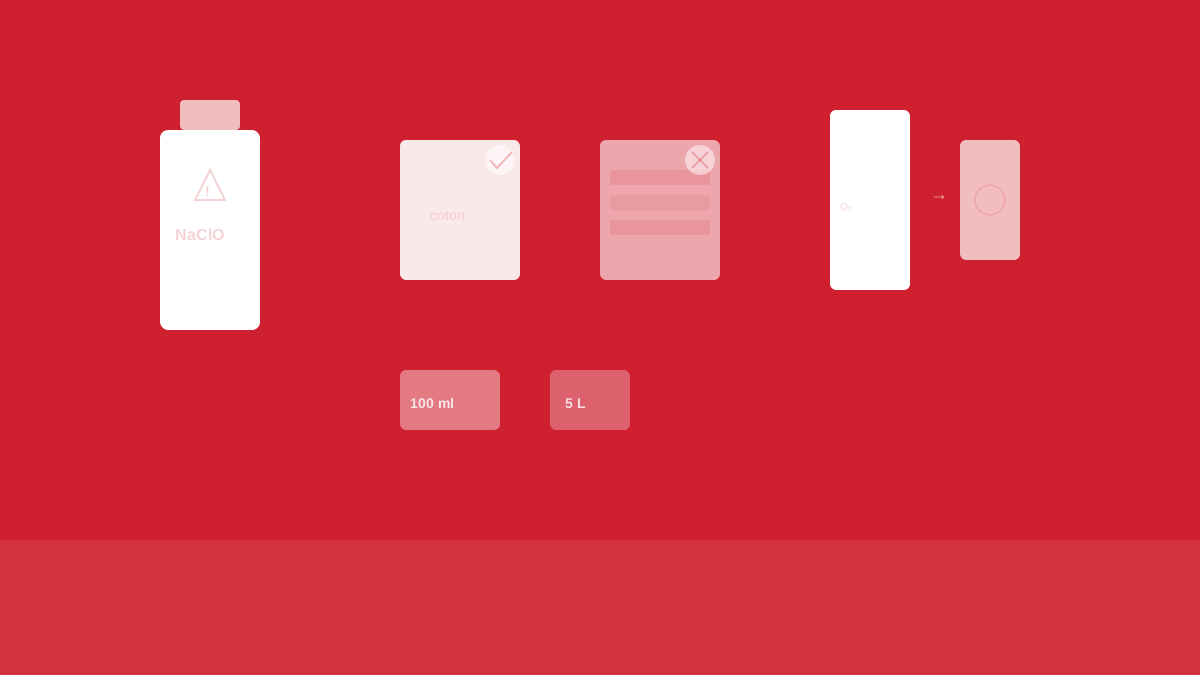
Bleach and Laundry: When to Use It, When to Avoid It
Bleach and laundry: white cotton/linen only. Dosage, alternatives (sodium percarbonate, Sanytol), and why to avoid it at the laundromat.
Expert tips and practical guides for washing, drying, and caring for your clothes.
Bleach and laundry: white cotton/linen only. Dosage, alternatives (sodium percarbonate, Sanytol), and why to avoid it at the laundromat.

What washing machine capacity for your household? 5-12 kg by size, front vs top loader, energy class A-B, budget EUR 300-1000. Plus the laundromat alternative.
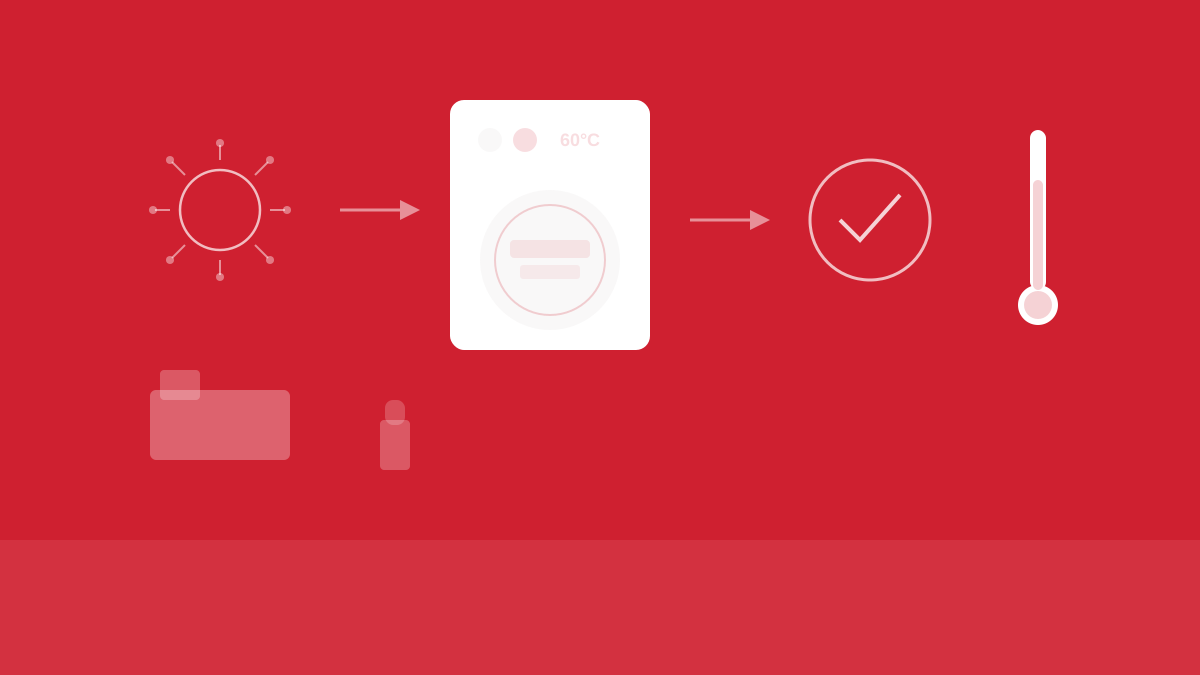
Sick person's laundry: 60 °C, separate load, don't shake, full drying. Protocol by illness (flu, stomach bug, Covid).
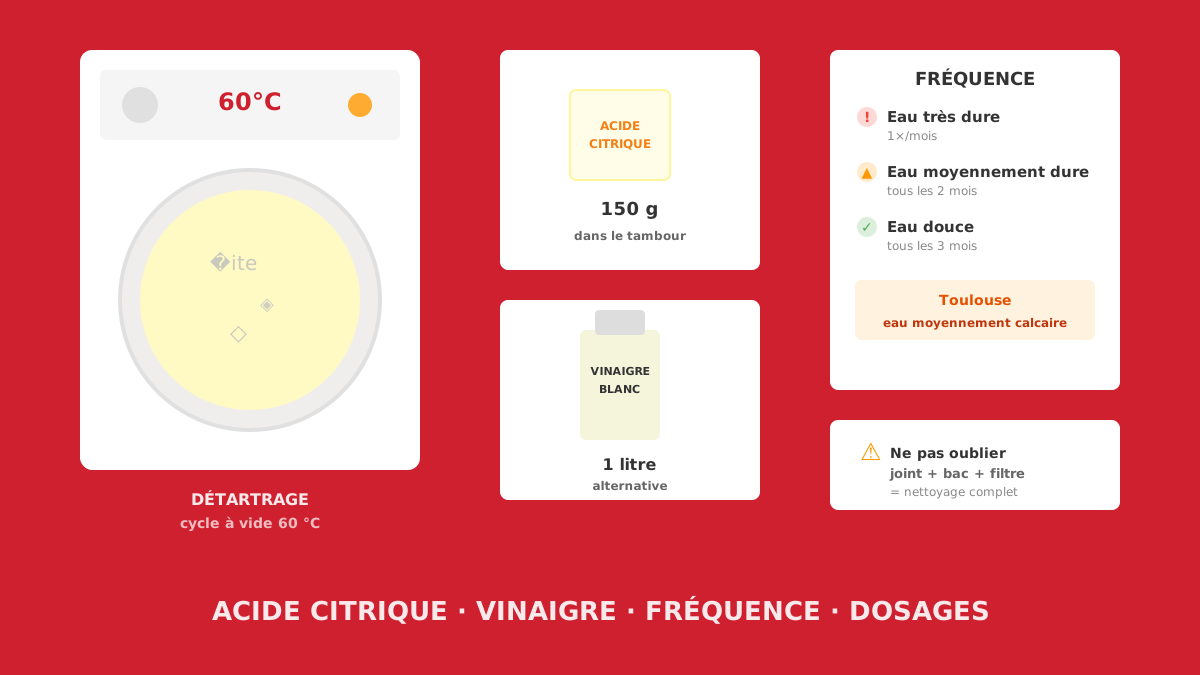
Limescale in your washing machine? Citric acid (150 g), white vinegar or tablets: exact dosages and frequency based on water hardness.
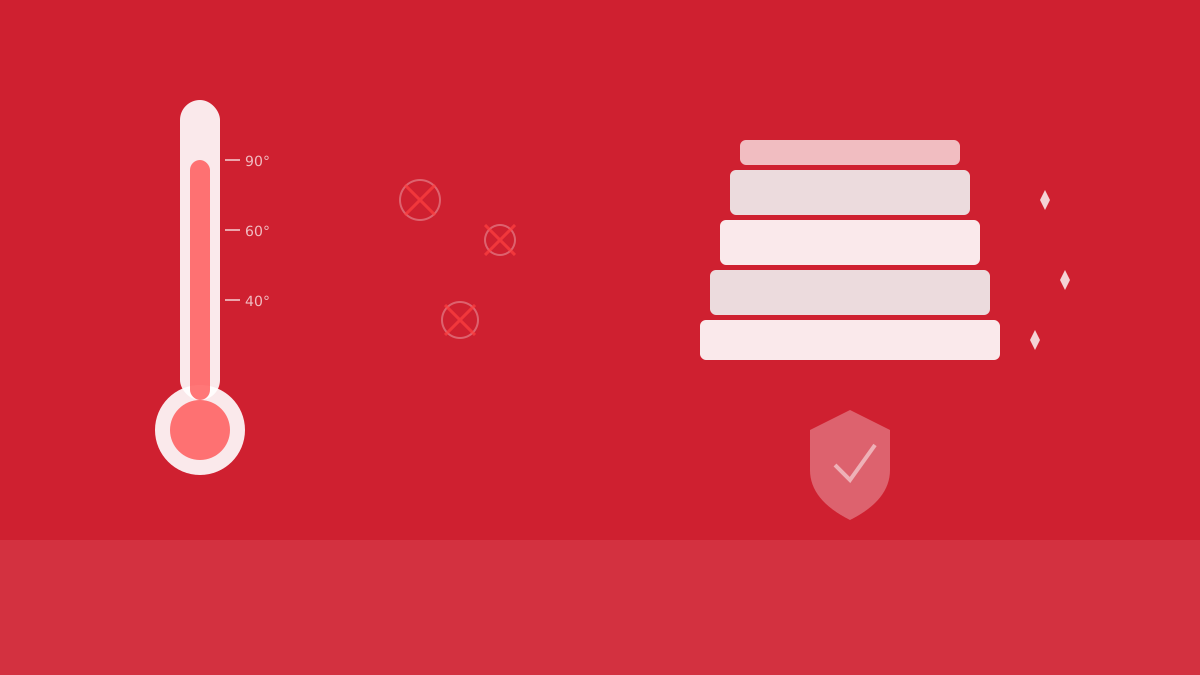
How to kill bacteria on laundry? 60 °C, percarbonate, Sanytol or bleach depending on the situation (illness, bed bugs, mould). Chart by product.
How often to clean the dryer lint filter? After every cycle. Monthly condenser, water tank, seals + warning signs to watch for.
Tea tree, lavender, lemon in the washing machine? Real effectiveness, risks for fabrics and skin, and proven alternatives for scenting or disinfecting.
Every polyester wash releases 700,000 microplastics. Reduced lifespan, water consumption: the real impact of fast fashion and the solutions.
Is your water hard? Map by hardness level, impact on fabrics (rough, dull) and the machine, detergent dosing for hard water. Practical guide.
Ironing temperature by fabric (cotton, linen, silk, polyester, wool), steam or not, techniques per garment and iron care.
How to remove pilling without damaging fabric? Fabric shaver, prevention by fibre (acrylic, wool, cotton) and machine settings.

Express cycle 15 or 30 minutes: when it is enough, when it compromises the wash, time/energy/result comparison vs standard cycle.

Fresh or dried beetroot stain: cold water, white vinegar, lemon, percarbonate. Method by textile + 8 mistakes to avoid.

Anthocyanins, lemon, white vinegar, percarbonate: how to remove cherry, blackberry, raspberry and blueberry stains by fabric.

Candle wax on tablecloth, clothes or velvet: scrape, iron on blotting paper, coloured residue treatment. By wax type and fabric.
Chewing gum stuck on jeans, synthetics or leather: freezer method, ice cube, iron. Remove the residue without damaging the fabric.

Curcumin, E100 pigment ultra-stubborn: glycerine, rubbing alcohol, hydrogen peroxide and UV sunlight. Full method by fabric.
White marks, yellow underarm stains: vinegar, percarbonate, baking soda. By fabric colour, prevention and common mistakes.
Raw or cooked egg: never use hot water (albumin coagulates). Marseille soap, vinegar, dish soap. Guide by fabric.
Sticker, super glue, PVA glue, label residue: hair dryer, oil, rubbing alcohol, acetone. Guide by glue type and fabric.
Grease, tar, engine oil: scrape, butter/oil (grease-on-grease), dish soap, machine wash. Guide by fabric + old stains.

Cow's milk or breast milk stain: cold water, Marseille soap, glycerine. Protocol by fabric (cotton, mattress) and stain condition.
Fresh or dried mud, red or black: let dry, brush, Marseille soap. Guide by fabric (jeans, sportswear, carpet) + prevention.

Nail polish on fabric: acetone, non-acetone remover, rubbing alcohol. Method by textile (cotton, silk, synthetic). Gel polish included.
Fresh or old perfume stain: treatment by fabric (silk, cotton, synthetic). Rubbing alcohol, glycerine, white vinegar. Prevention.
Pine resin, sticky sap, tree stain: freezer, rubbing alcohol, turpentine. Guide by textile + camping and hiking prevention.
Soot on clothes or curtains: dry brush, talc, dish soap, rubbing alcohol. By fabric and method.
Black, green or milky tea: methods by fabric (cotton, linen, silk, synthetic) and for stained cups. Vinegar, lemon, percarbonate, glycerine.
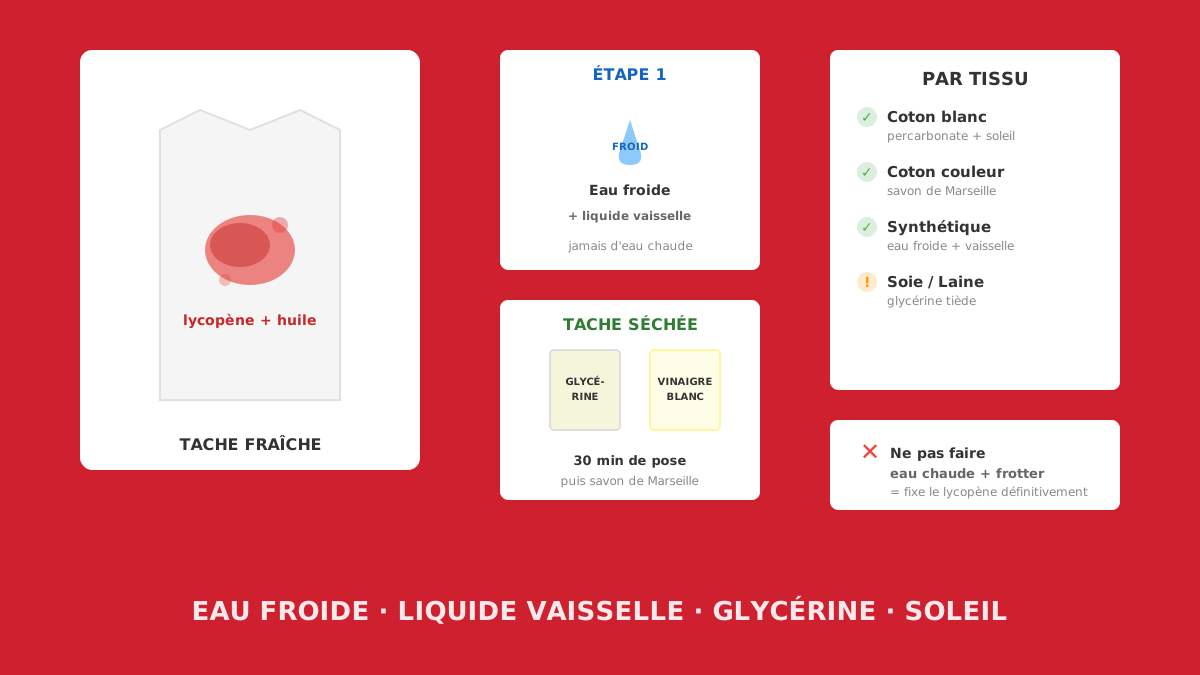
Tomato sauce or ketchup stain on clothes: methods by fabric, fresh or dried. Complete step-by-step protocol.
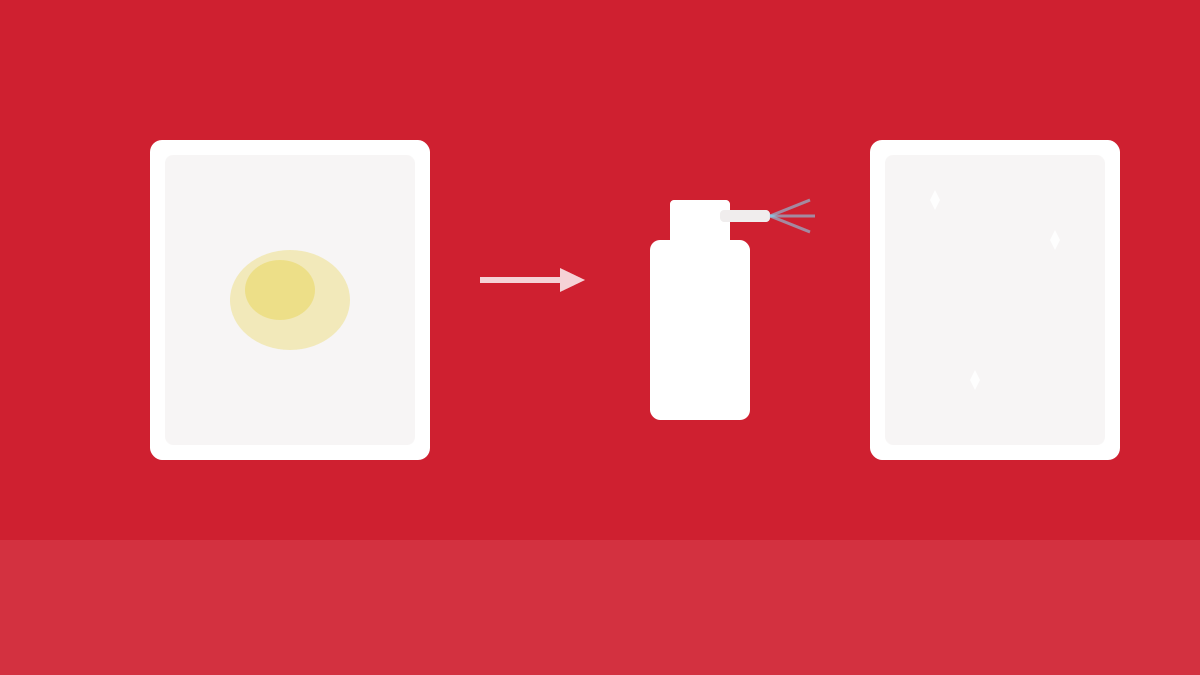
Stubborn urine stain? Vinegar, baking soda, hydrogen peroxide: method by surface (fabric, mattress) and type (baby, cat, adult).
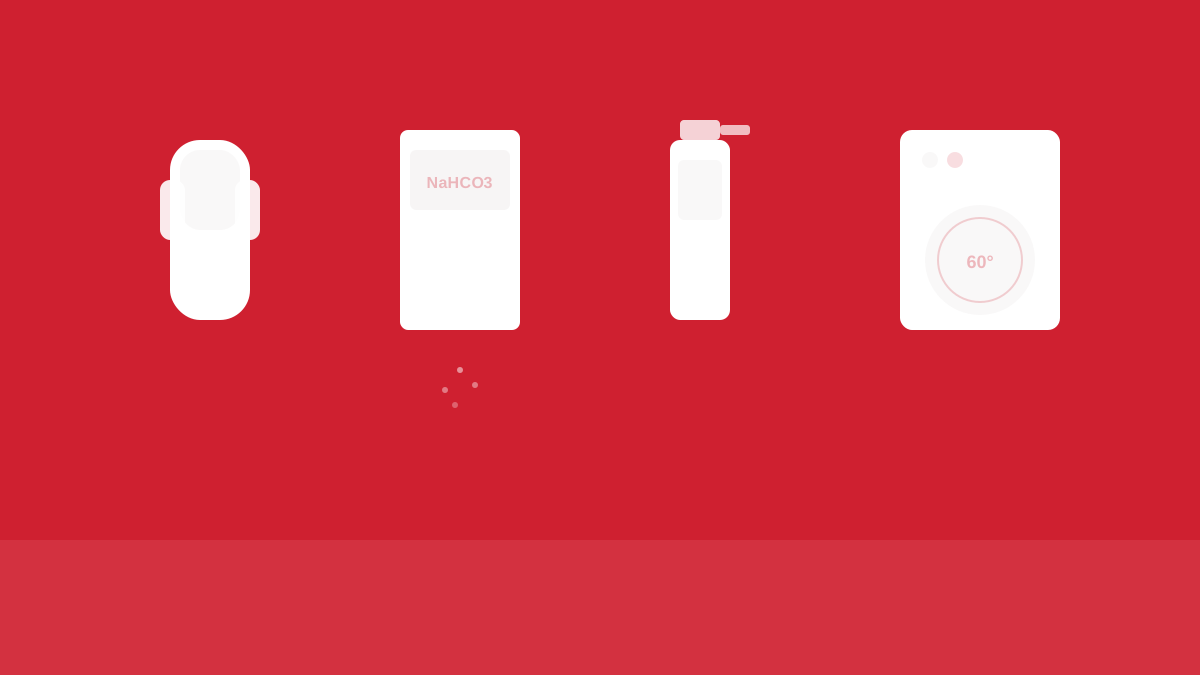
Baby, child or adult vomit: remove solids, rinse, baking soda, enzymes. Guide by surface + residual odour elimination.
Did you know a 30 degree C wash uses 3x less energy than 60 degrees? 10 practical tips to cut water, energy and laundry costs, with figures per cycle.
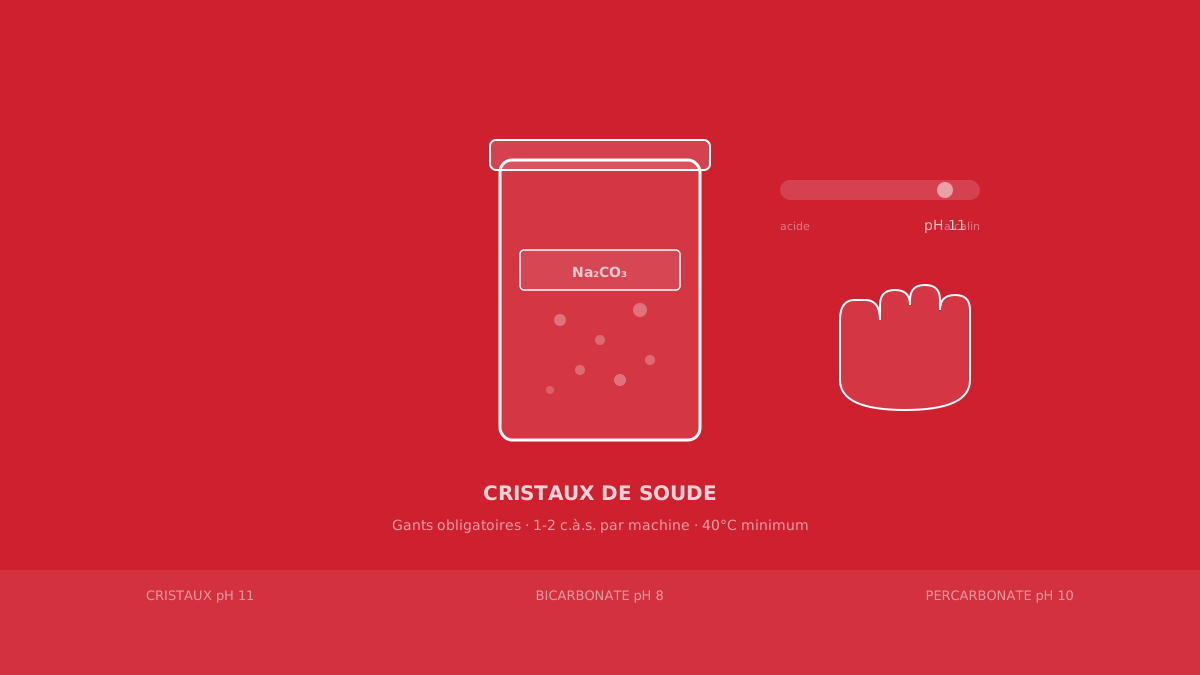
Soda crystals for laundry: boost detergent, soak heavily soiled items, dosage, precautions (pH 11, gloves) and mistakes to avoid.

Sort by colour or temperature? Both. Quick sorting chart, basket system and the 5 mistakes that damage your clothes.
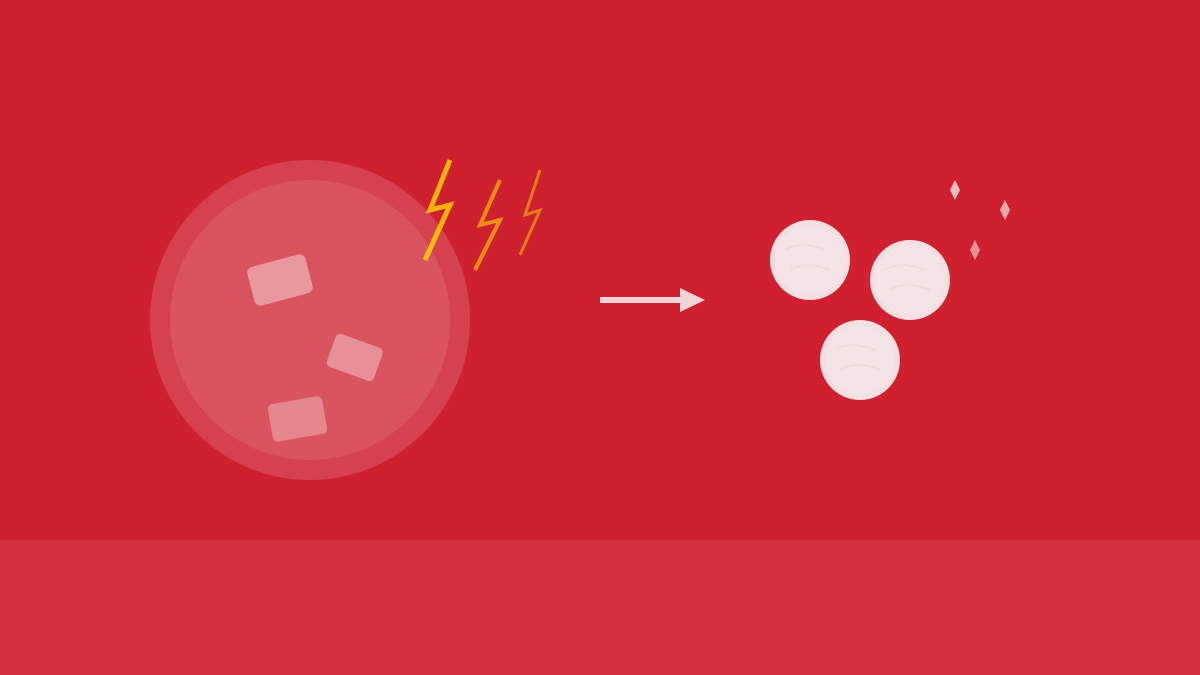
Why does laundry cling when it comes out of the dryer? Causes (synthetic fibres, dry air) and solutions: dryer balls, vinegar, humidity.
90 °C wash: when to use it, which fabrics can take it, energy impact. 60 °C + disinfectant alternative. Complete guide.
What routine for cloth diapers? Dry storage, cold pre-wash, 60 °C, glycerin-free detergent. Percarbonate stripping and method by insert type.

Can you machine-wash a wool beanie? Yes, at 30 °C in a mesh bag. Felt hat, straw, polyester bucket hat: method by material and distortion-free drying.

Does fabric softener destroy your ski suit's DWR? Yes. 30 °C delicate, liquid detergent, tumble dry low to reactivate water repellency. Guide by suit type.

Does fabric softener damage fleece? Yes. 30 °C max, zero softener, low-heat drying. Anti-pilling, static, 18 kg laundromat machines.
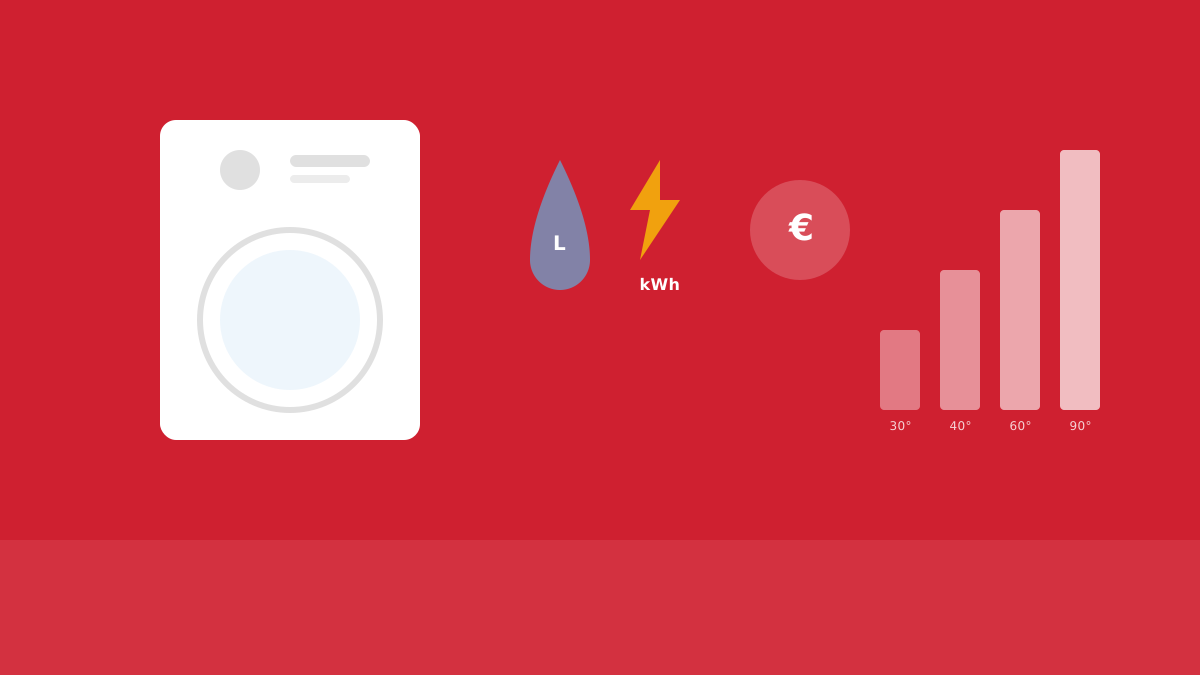
How much does a washer use per cycle? Water (40-60 L), electricity (0.5-1.5 kWh), annual cost, by temperature. Laundromat vs home.

Dark, milk or white chocolate: tested methods by fabric to remove the stain before and after washing. Step-by-step protocol.

Grass stain on jeans, cotton or trainers: methods by fabric, mistakes to avoid and complete protocol before machine washing.

Liquid foundation, powder or waterproof: methods by makeup type and fabric. Shirt collar, pillow, scarf.

Mould on clothes, sheets or curtains: safe methods by fabric type, musty odour removal and prevention.

Acrylic, oil-based or gouache paint: method by paint type and fabric. Fresh or dried stain, complete step-by-step protocol.
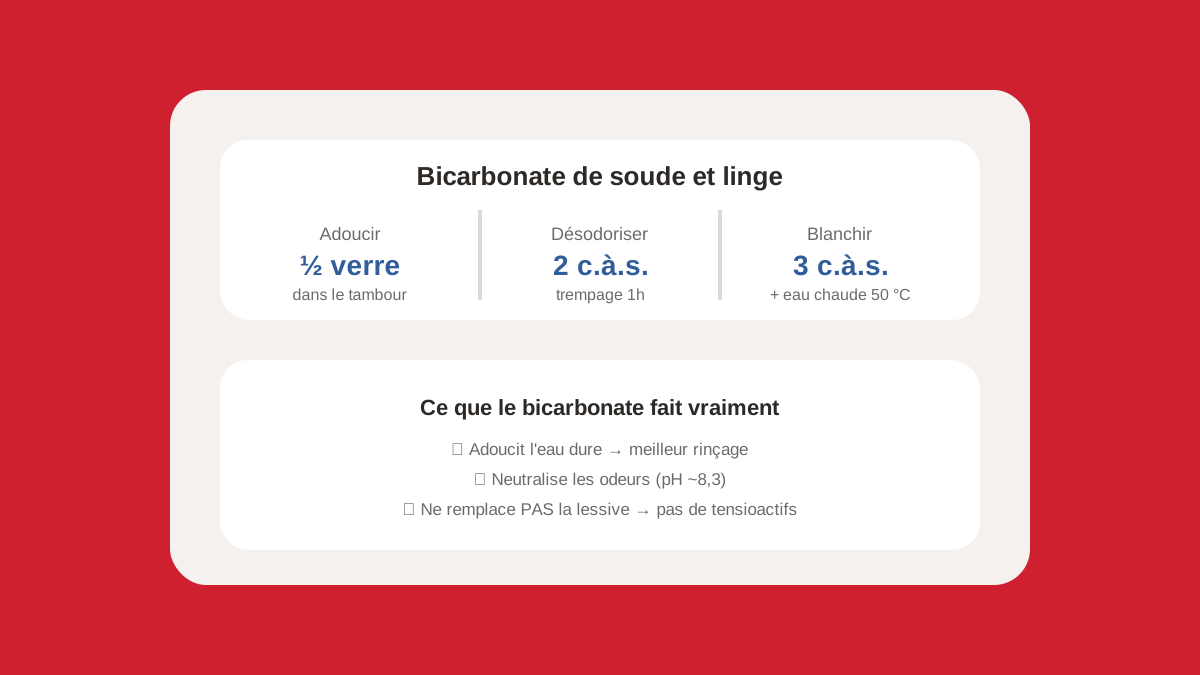
Baking soda softens water, neutralises odours and helps whiten. But it does not replace detergent. Precise dosages and mistakes to avoid.
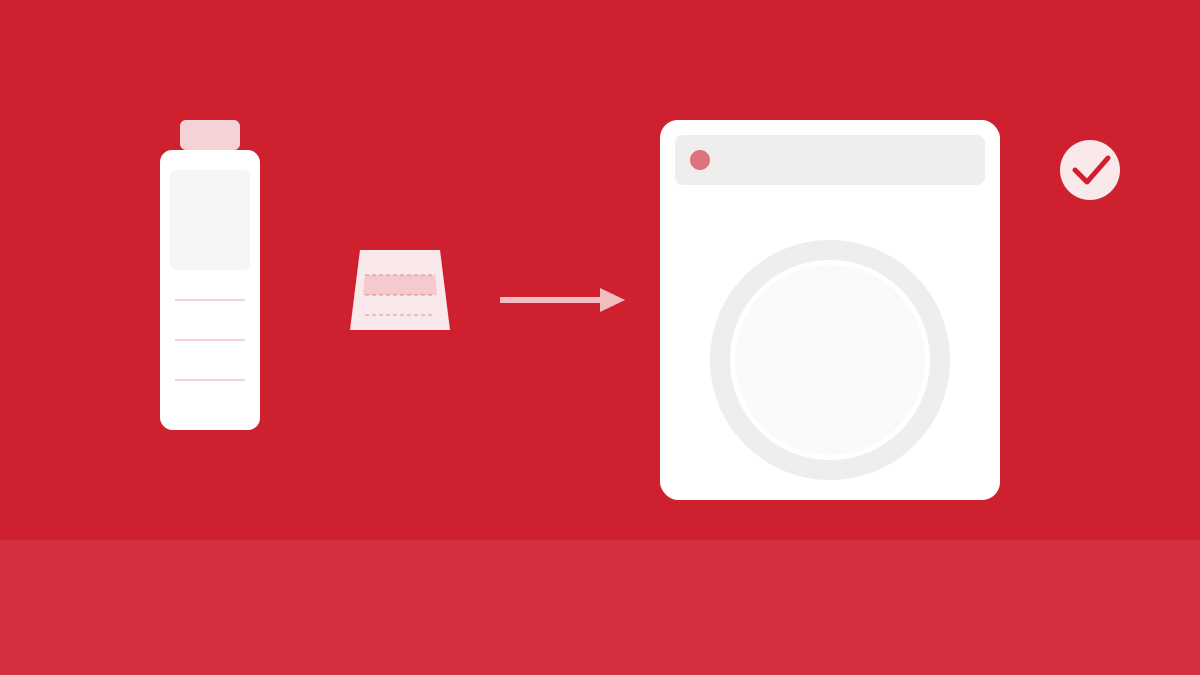
Liquid, powder or pod: the right dose by load (3-18 kg) and water hardness. Full chart + overdosing mistakes.
Fabric softener softens fibres but can harm sportswear, microfibre and sensitive skin. When to use it, when to skip it.
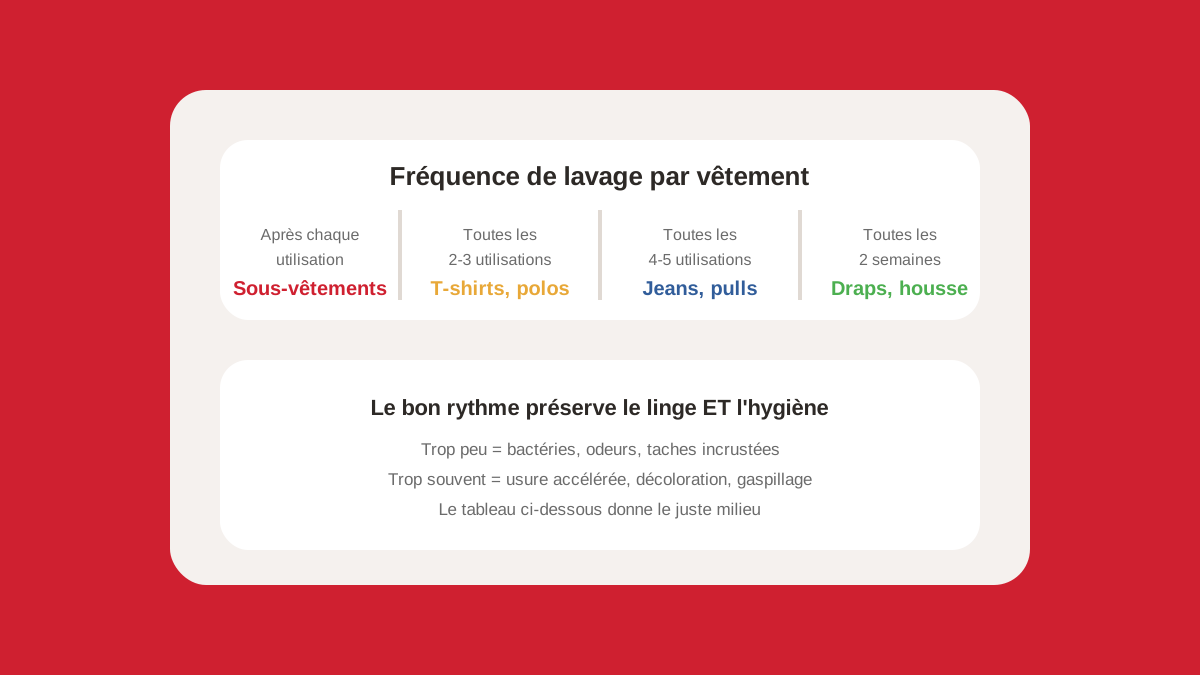
Underwear: after every wear. T-shirts: 2-3 wears. Jeans: 4-5. Complete chart by garment, with exceptions and common mistakes.
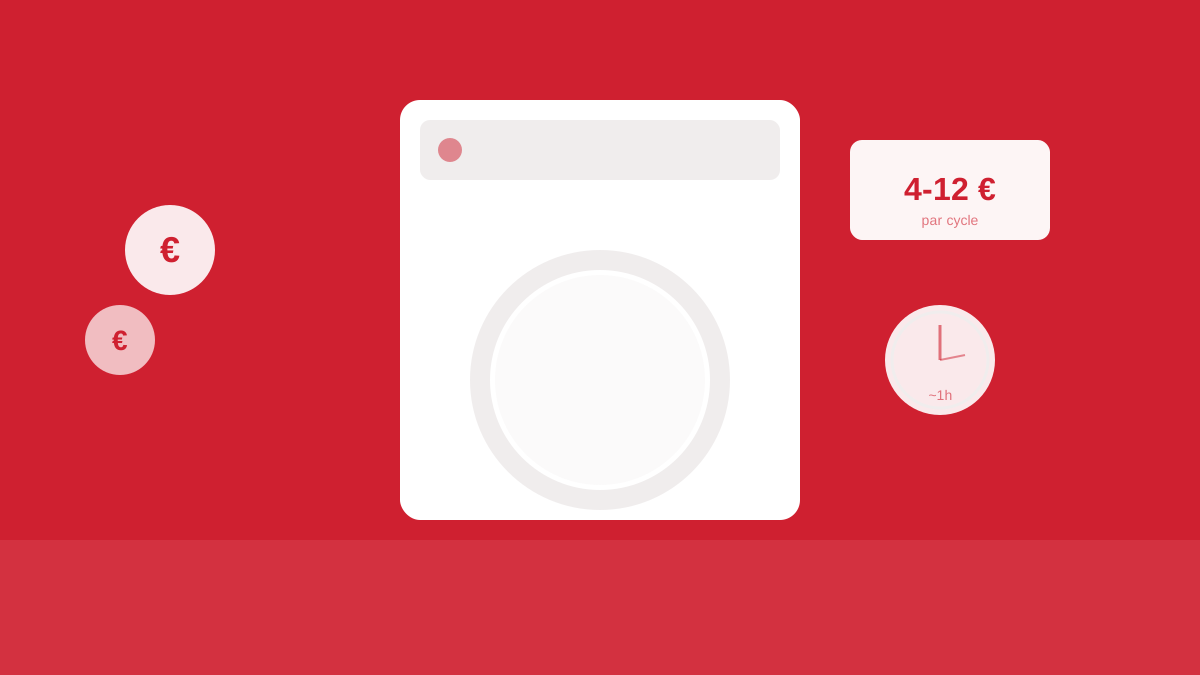
How much does a wash at a laundromat cost in 2026? From 4 to 12 € depending on capacity. Table by machine, prices by city, and home comparison.
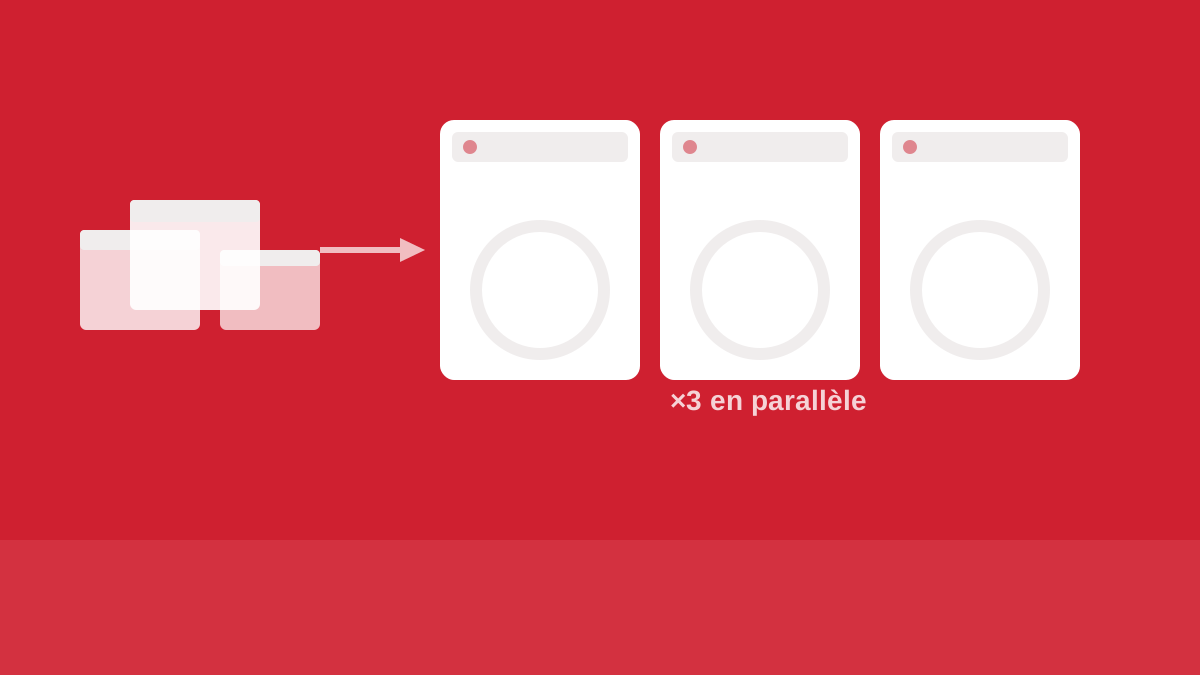
Curtains, duvets, sheets, covers: the moving day laundry checklist + how to organize a laundromat run with 18 kg machines to handle it all in 1h.
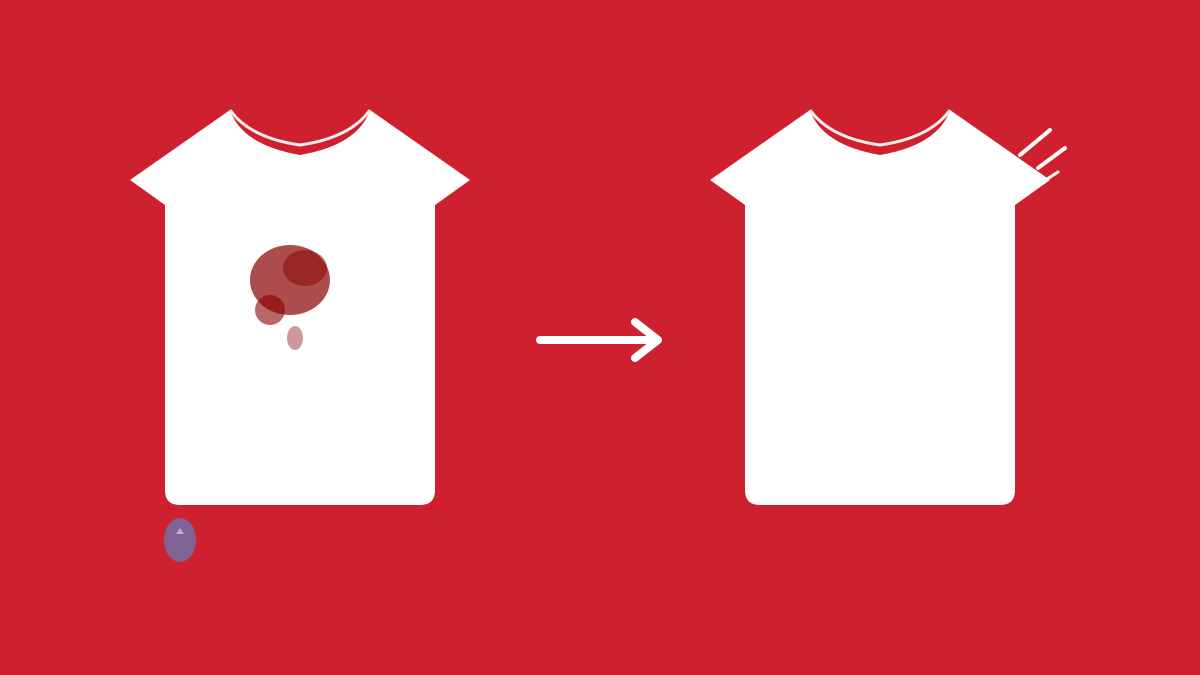
Fresh or dried blood: cold water, Marseille soap, sodium percarbonate. Guide by fabric (cotton, silk, wool) + mistakes to avoid.
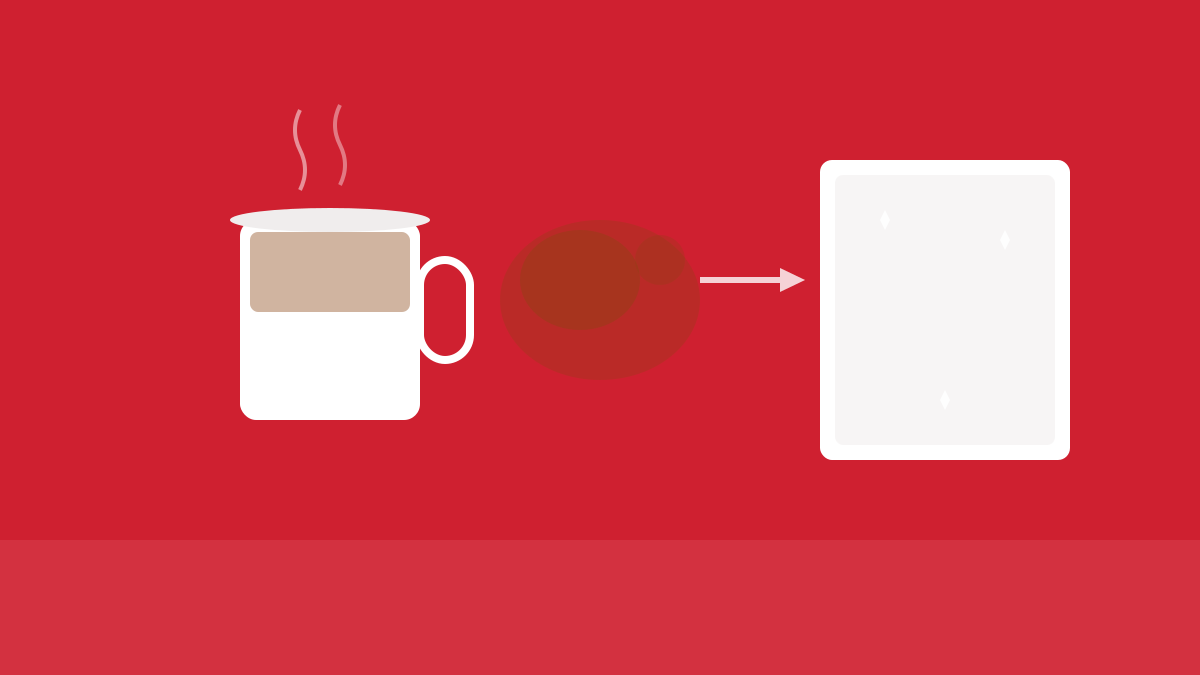
Black or milky coffee, fresh or dried: white vinegar, glycerine, sodium percarbonate. Guide by fabric + mistakes to avoid.
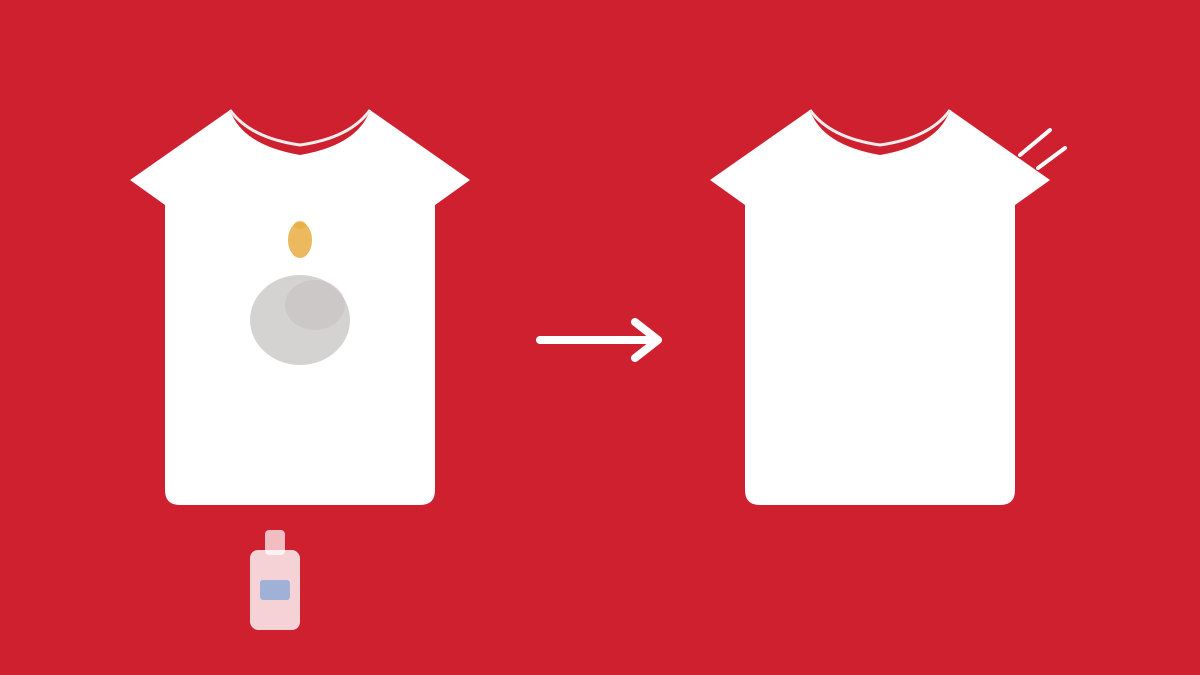
Fresh or set-in grease stain: dish soap, talc, fuller's earth. Guide by grease type (food, mechanical, cosmetic).
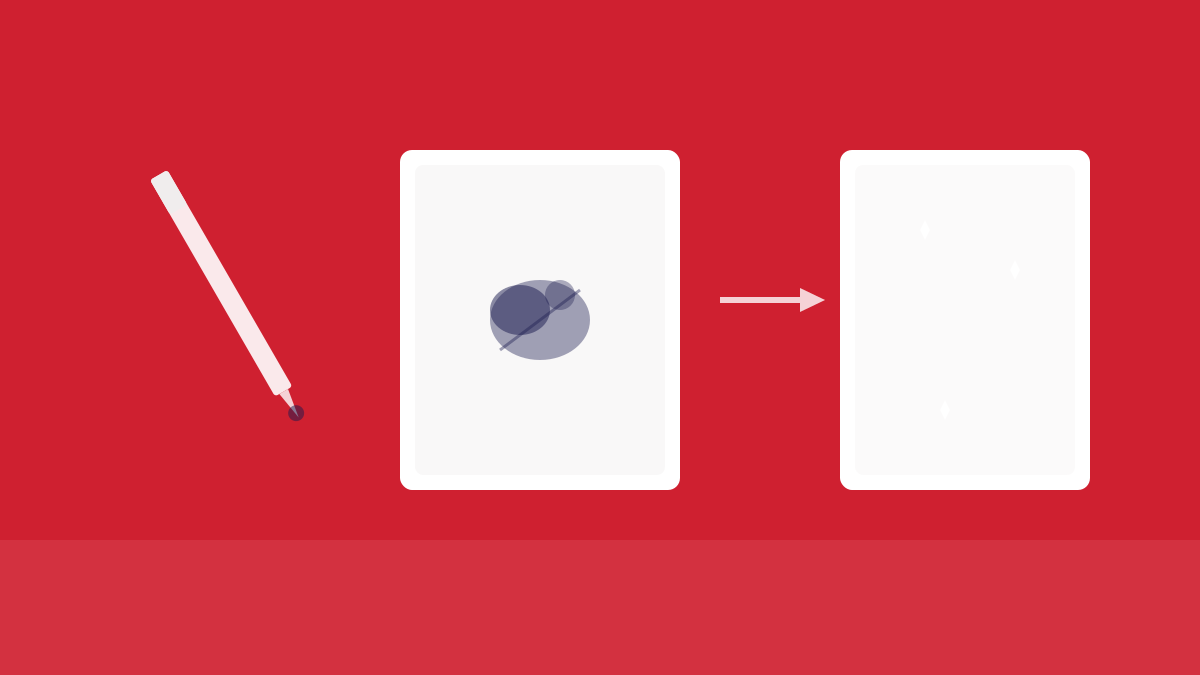
Ballpoint, marker, printer, fountain pen: each ink needs its own treatment. Alcohol, milk, solvent — guide by ink type and fabric.
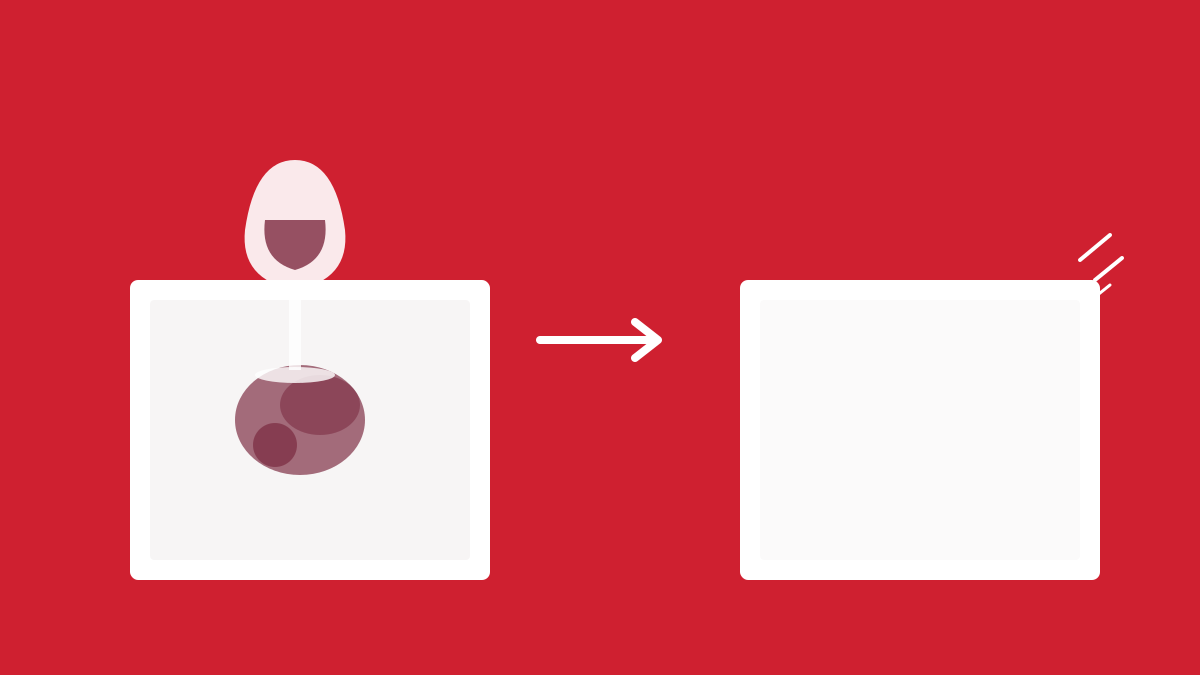
Fresh or dried red wine stain: salt myth, percarbonate, warm milk. Methods by textile (cotton tablecloth, silk, wool) + myths debunked.
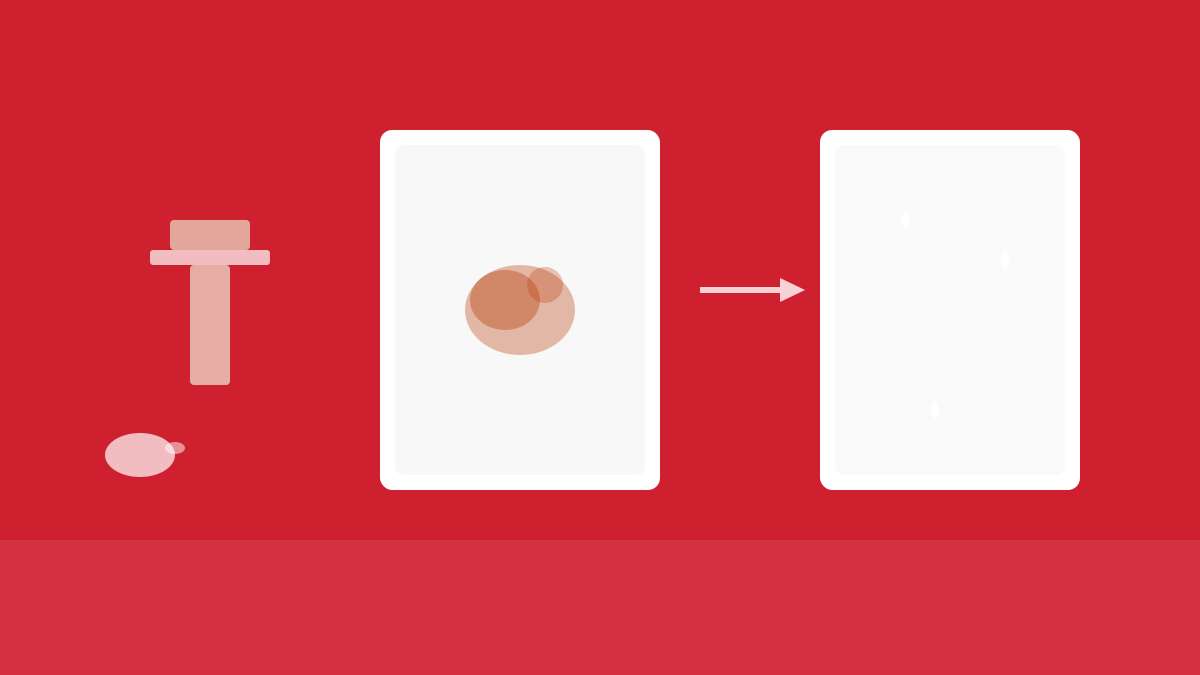
Bleach sets rust. Use citric acid, lemon or oxalic acid salt. Guide by fabric + critical mistakes to avoid.
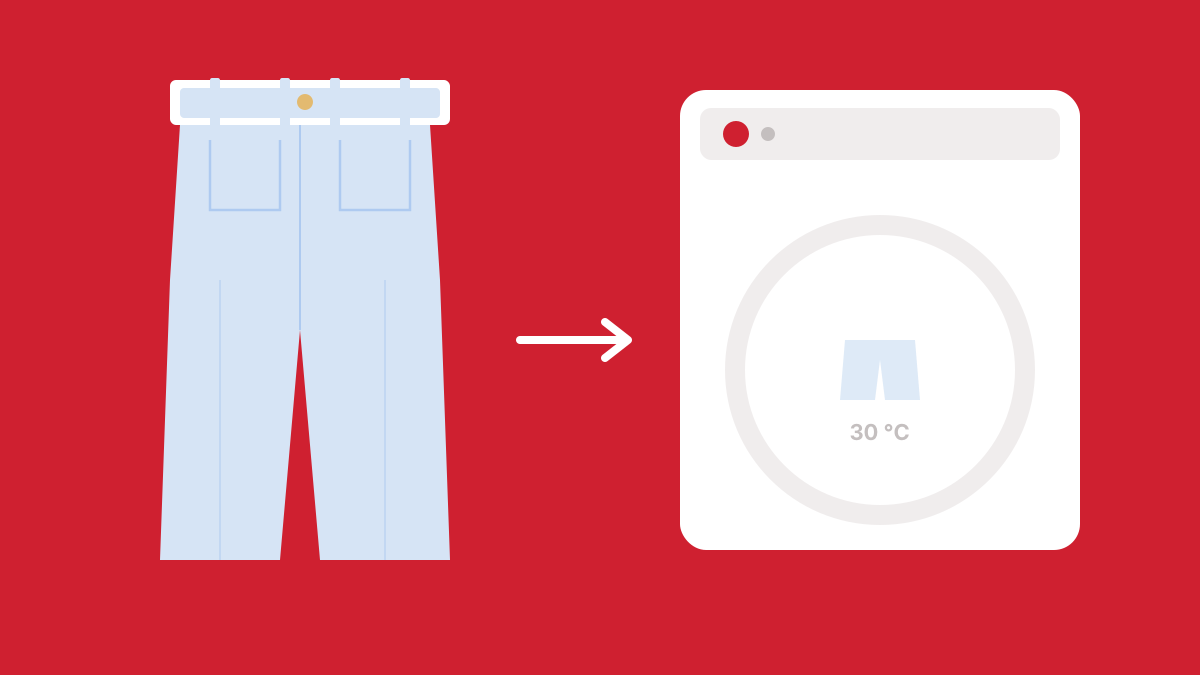
Should you wash jeans after every wear? No, every 4-5 wears is enough. Raw, stretch or stonewashed: temperature, cycle and anti-fading tips.
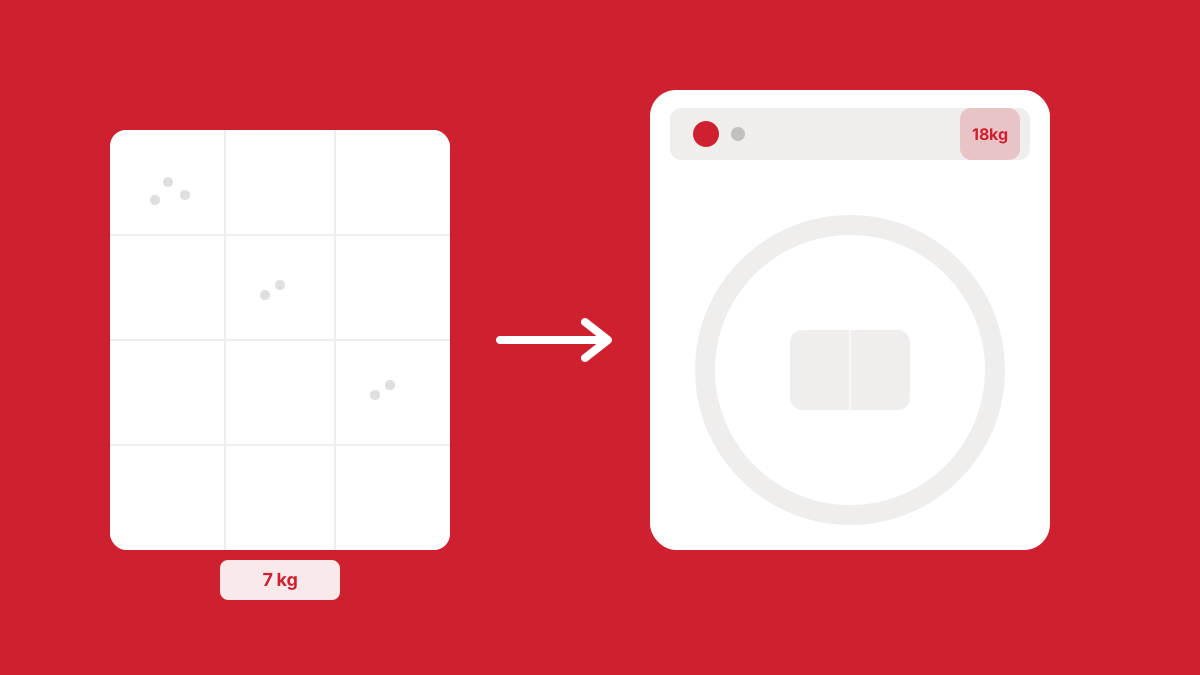
Can your machine handle a weighted blanket? Max weight, glass vs plastic beads, the right cycle. An 18 kg laundromat machine is often the answer.
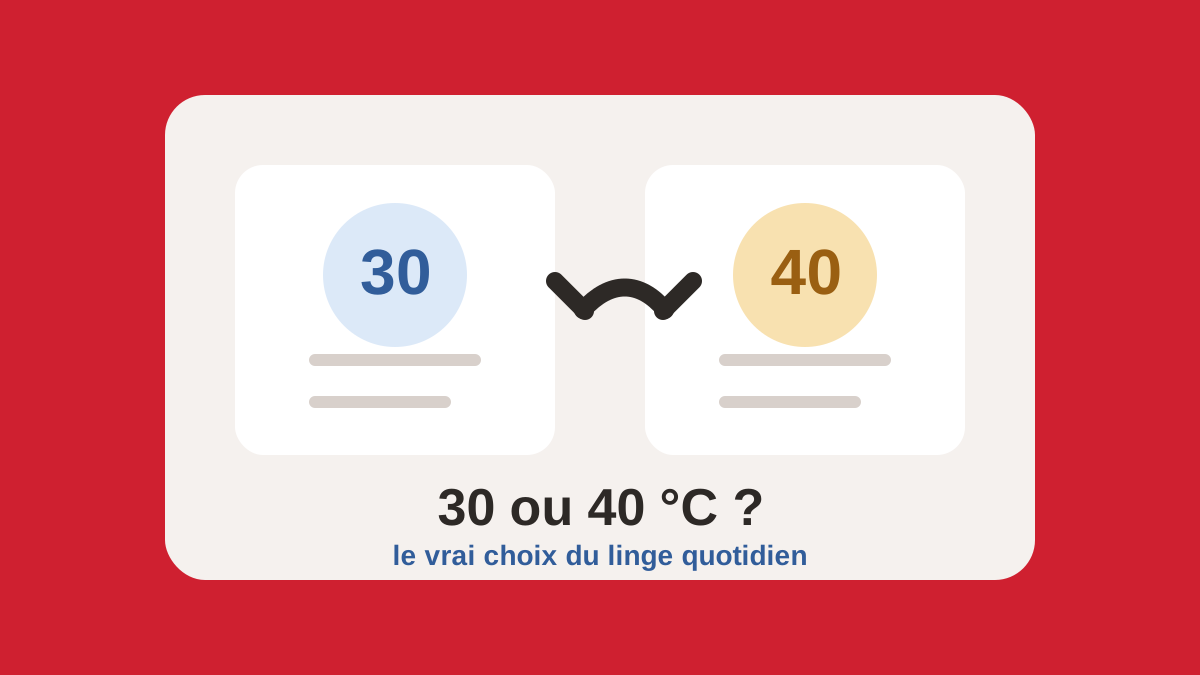
30 °C for colours and lightly soiled synthetics, 40 °C for dirtier everyday cotton. Clear chart + when to go to 60 °C.
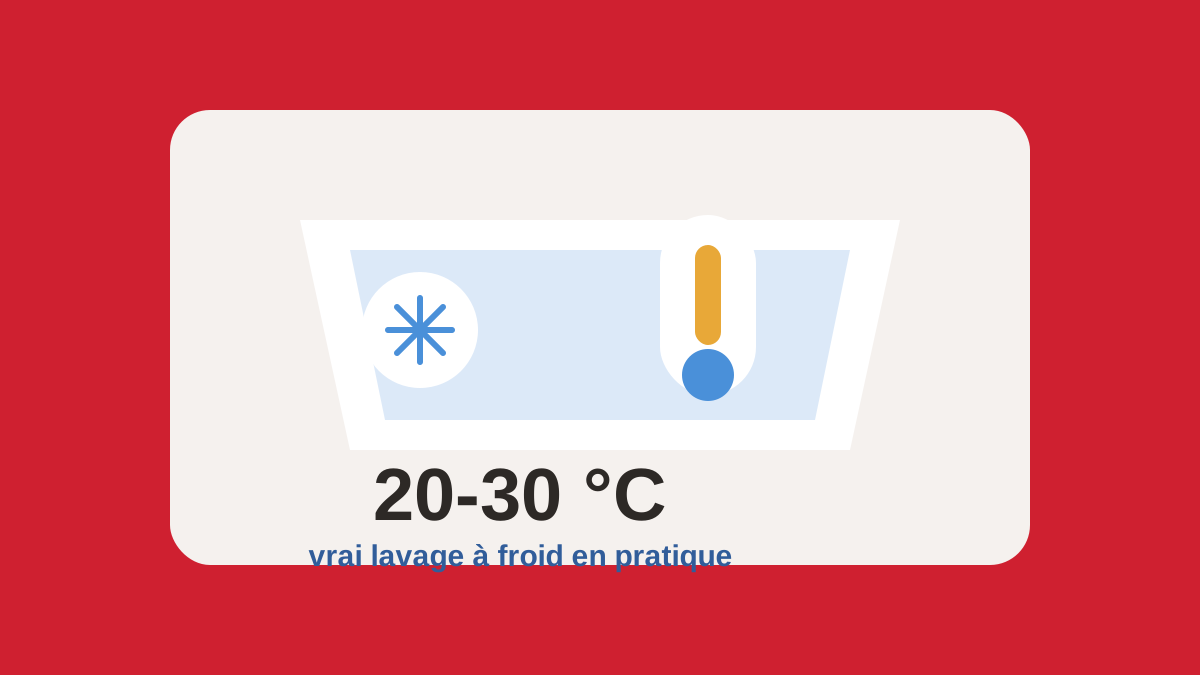
Cold wash = 20-30 °C in practice. When 20 °C is enough, when to go to 30 or 60 °C, and which textiles to avoid washing cold.
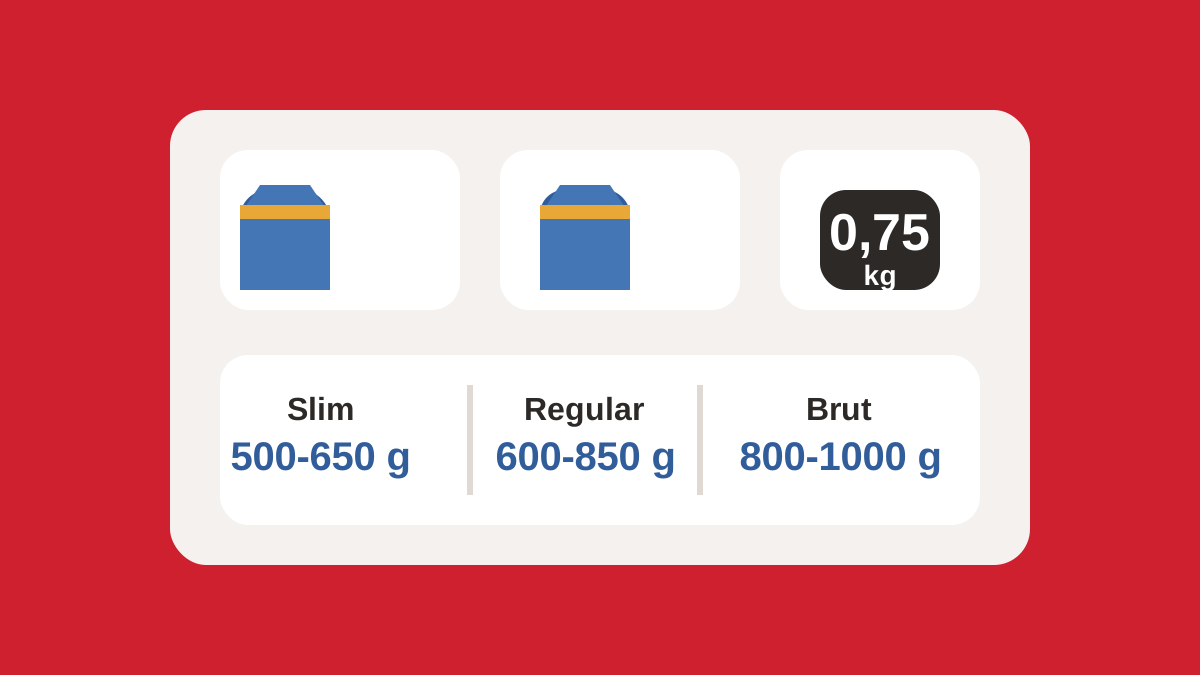
Slim, regular or raw jeans: expect 500 to 1,000 g per pair. Chart by cut, size and machine capacity to load without guessing.
Care label, GINETEX symbols, drum size, filling, volume: how to tell if a duvet can really go in the machine without damage.
Cat or dog hair on sheets, throws, dark clothes: the useful method before washing and the real role of the tumble dryer to loosen them.
What does percarbonate actually do for laundry? Whitening, stain removal, deodorising: exact doses, 40 °C minimum temperature and common mistakes.
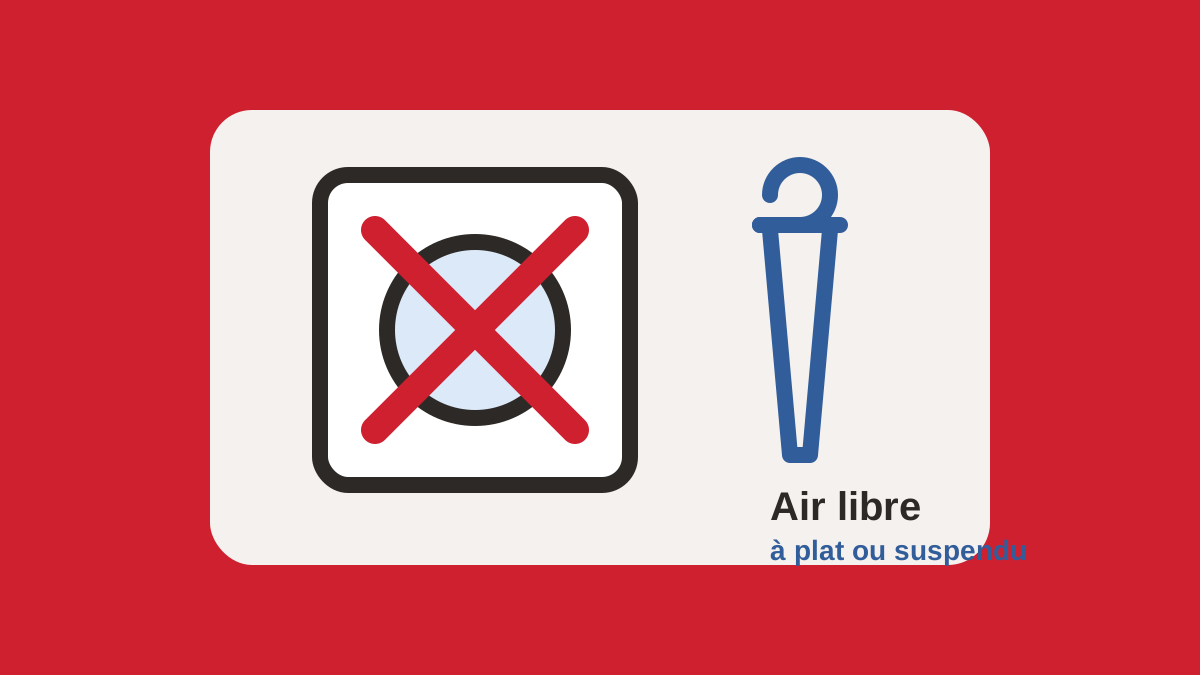
Square with circle crossed out: tumble drying is forbidden. What this symbol means, which textiles are affected, and how to dry them safely.
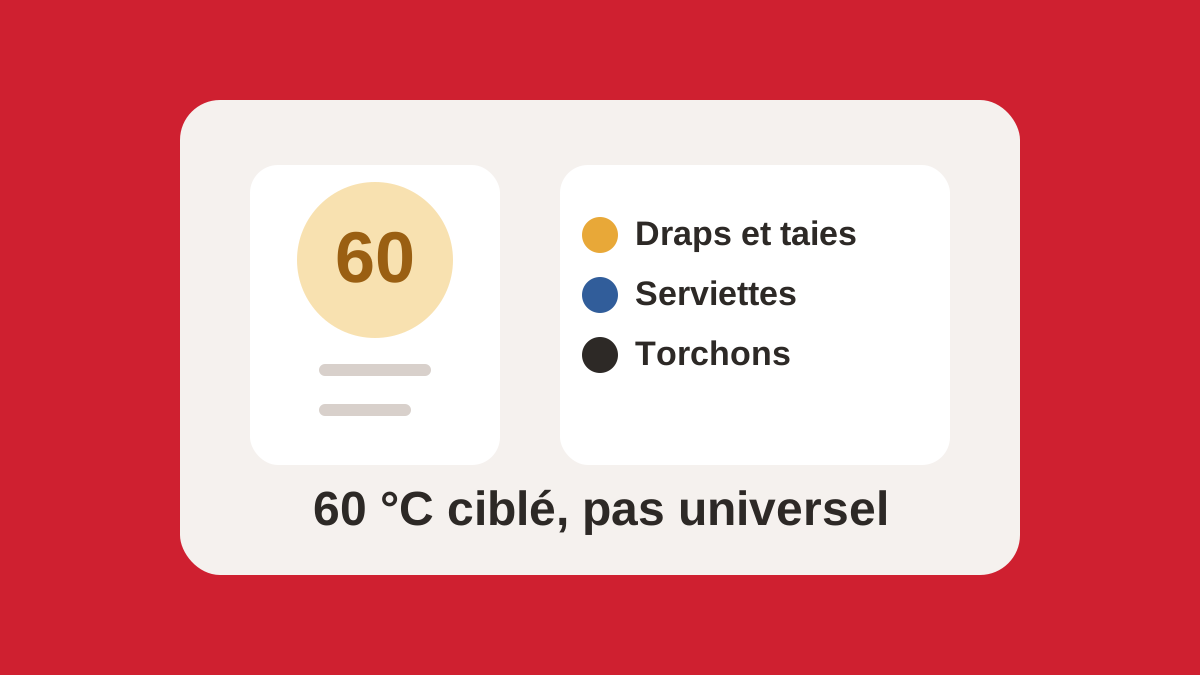
Sheets, towels, tea towels, heavily soiled baby clothes... 60 °C is for targeted hygiene, not the whole wardrobe. Textile-by-textile guide.
Does vinegar replace fabric softener? Rinsing, odours, limescale: what it actually does for laundry and the 3 mistakes to avoid.
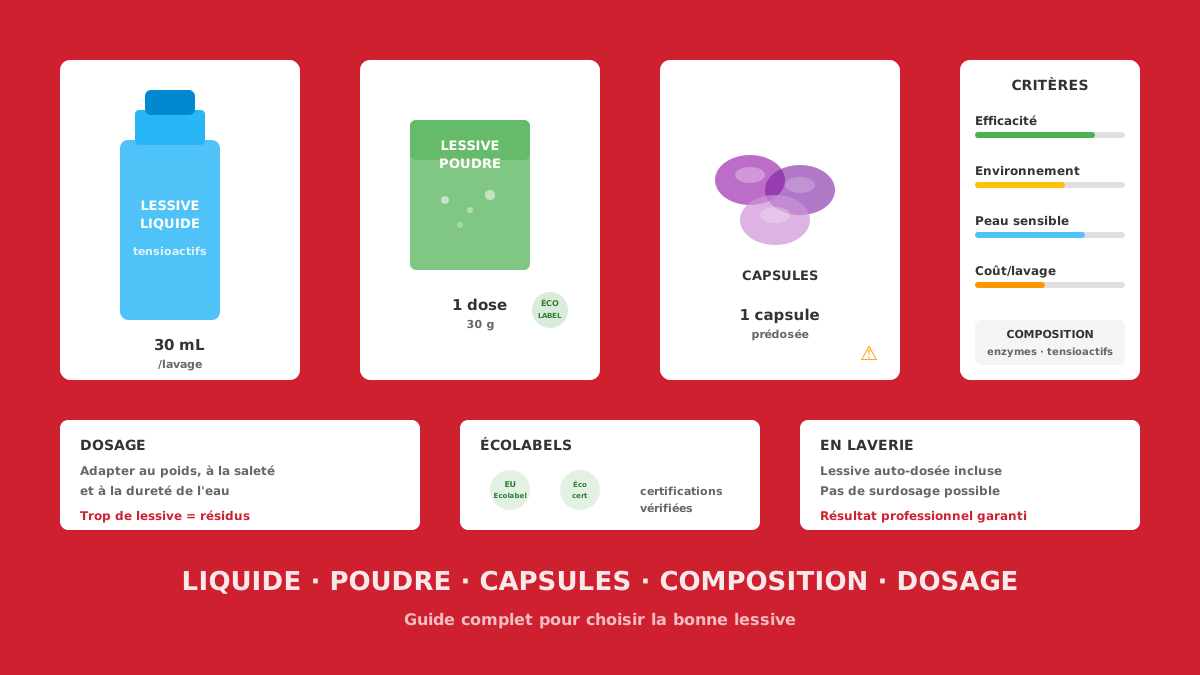
Liquid, powder or pod: which cleans best? Comparison by format, composition, dosage and reliable labels for your type of laundry.
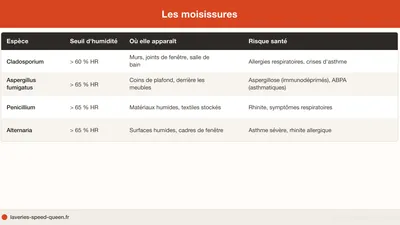
A drying rack releases 2 litres of water per load. Condensation, mould, odours: what science says and how to fix it.
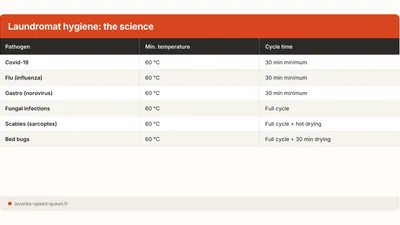
Is a laundromat hygienic? 99.9 % of bacteria eliminated thanks to water volume, temperature, and tumble drying. PubMed studies as evidence.
How to machine-wash Gore-Tex without losing waterproofing? Gore-Tex, fleece, merino: protocol by ski fabric + drying and end-of-season storage.
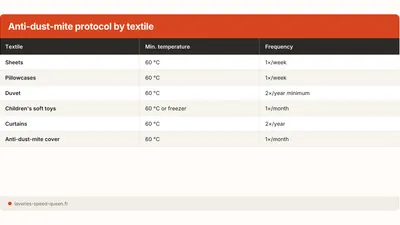
Dust mites are the #1 cause of respiratory allergy in France. Washing at 60 °C weekly + full drying reduces exposure. Laundromat protocol.
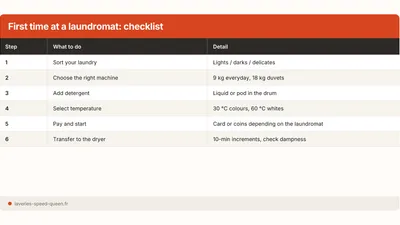
How does a self-service laundromat work? What to bring, how much it costs (4-12 €), how long it takes: everything you need to know before you go.

Rough towels after washing? White vinegar, proper rinsing and tumble drying: the real steps that work to get fluffy towels back.
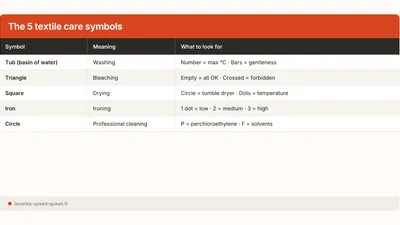
What does the crossed-out circle mean? The triangle? The 30 °C tub? Every care label symbol decoded with a visual chart + common mistakes to avoid.
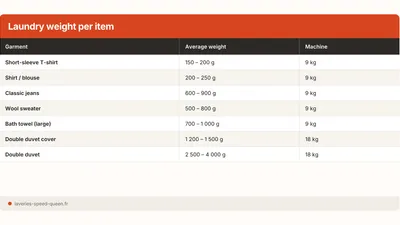
How much does a pair of jeans, a sheet, or a towel weigh? Full weight chart per item to load your washing machine correctly. 9, 11 & 18 kg capacities.

Cotton (3-8 %), wool (up to 30 %): causes of shrinkage in washer and dryer. 12-fibre chart, prevention and recovery tips.

Can you machine wash a pillow? Synthetic and feather yes (40-60 °C), memory foam no. Program, drying and frequency (2-4 times/year).

Flat puffer after washing? 30 °C delicate, low spin and tennis balls in the dryer to restore loft. Method for down and synthetic.
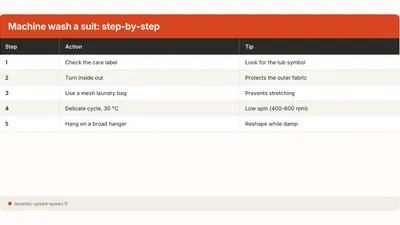
Can you machine wash a blazer? Yes, on a delicate cycle at 30 °C. Suit, trousers, jacket: guide to cleaning without dry cleaning.

Yellowed whites? Sodium percarbonate, hydrogen peroxide, bleach: which product to whiten without damaging fibres. Tested methods.
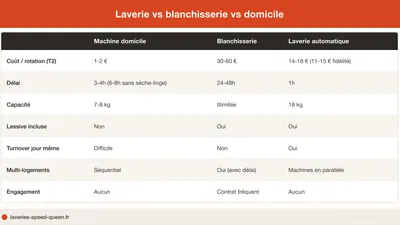
Laundromat for Airbnb concierge services in Toulouse. Wash + dry in 1h, detergent included, 18 kg machines. Loyalty card -20%, pro invoice, 7/7.
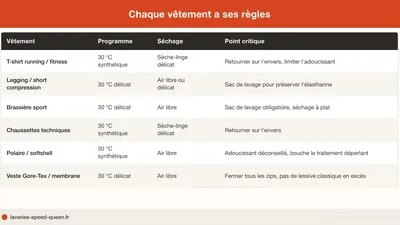
Stubborn odours on sportswear? Why synthetics still smell after washing and how to kill bacteria. 30 °C, zero fabric softener.
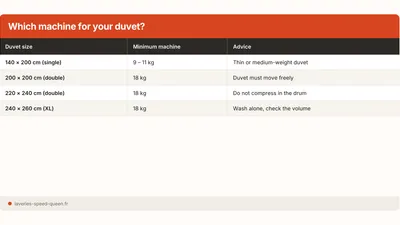
What machine to wash a double duvet? 18 kg at the laundromat, 40-60 °C by filling type. Down & synthetic guide + drying + costs.
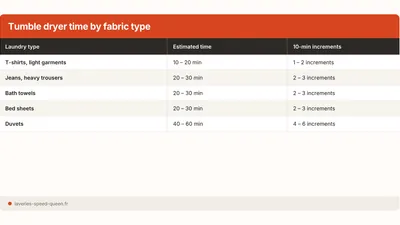
10 min t-shirts, 30 min sheets, 50 min duvets. Full drying time and temperature chart by fabric + 3 tips to dry faster.
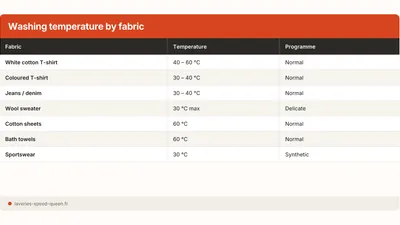
30 or 40 °C for your laundry? Full chart by fabric: cotton, synthetics, sheets, colors. 5 temperature mistakes that ruin clothes.
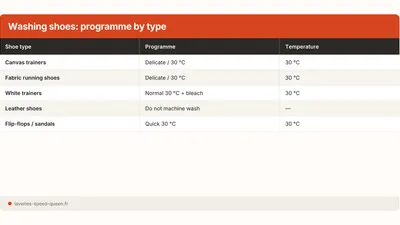
Can you machine wash sneakers without ruining them? 30 °C, mesh bag, gentle spin: the method by material (canvas, mesh, leather) + 5 common mistakes.